Name has been changed to protect patient privacy. Clinical details are shared with the patient’s consent.
There is a particular kind of frustration that arrives in the late 30s. You are doing the things. You are active, you are not eating badly, and yet the weight settles in and refuses to move. The energy that used to carry you through a long day starts running out by the afternoon. And somewhere in the background, your periods are doing their own thing.
If that sounds familiar, you are not imagining it, and you are not failing. The body in the late 30s and early 40s is entering a hormonal transition, and that transition changes how it holds weight, makes energy, and runs a menstrual cycle. This is the story of one woman who felt all of that, and what changed for her over a few months of steady, unglamorous work.
Who Raagini Is
Raagini is 38, a practising dentist, and a mother to a teenage daughter. Her days are long and physical, spent on her feet between patients, and her schedule does not leave much room for elaborate routines. She is not someone who avoids effort. She trains regularly, including CrossFit.
And yet, since her delivery years earlier, roughly 15 kg had crept on and stayed. She had tried to shift it. The training was there. The result was not. On top of the weight sat a heaviness she could not train away: low energy, heavy periods, and a back and knees that ached enough to make some workouts harder than they should have been.
When a woman who works out regularly still cannot lose weight or shake her fatigue, it is rarely about willpower. It is usually about what is happening underneath. So we started there.
What the Work-Up Showed
During her first consultation, Dr. Suganya reviewed Raagini’s ultrasound reports from April 2025. The pelvic findings explained a great deal of what she was feeling:
- A bulky uterus with adenomyotic changes in the posterior wall. Adenomyosis is a condition where the lining tissue grows into the muscular wall of the uterus. It commonly causes heavier, more uncomfortable periods, and it tends to become more noticeable in the late 30s and 40s.
- Intramural fibroids within the uterine wall.
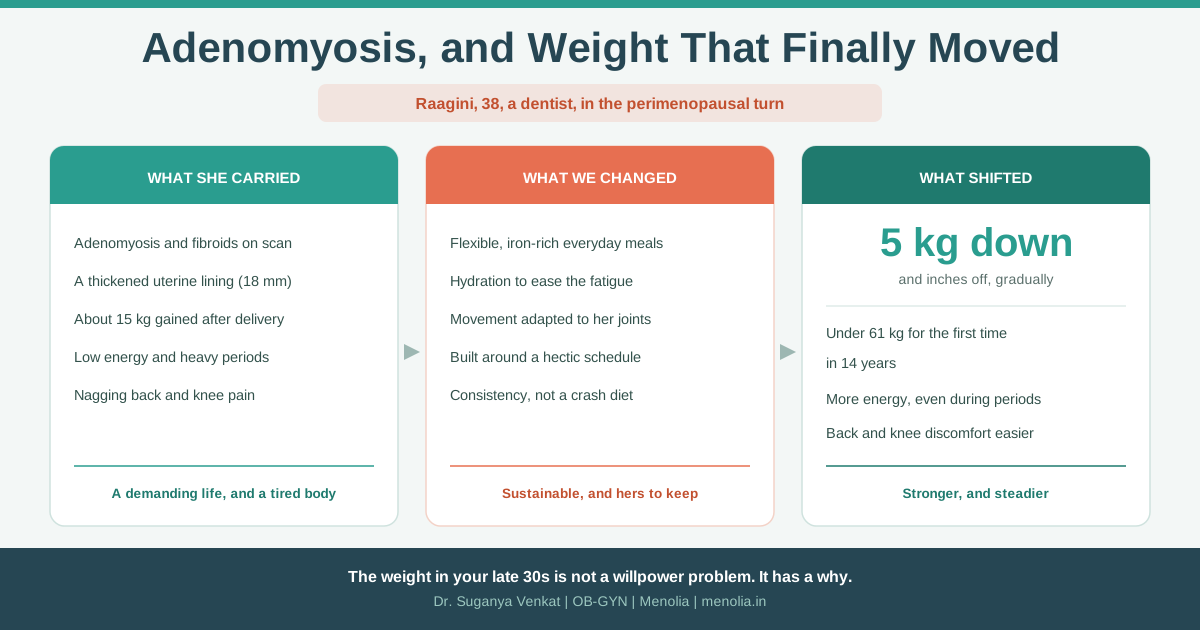
- A homogeneously thickened endometrium, measured at around 18 mm, flagged for clinical correlation.
- A small simple cyst on the left ovary.
The scan also picked up a few unrelated findings that were noted for her doctors to follow up separately. Her blood work showed her haemoglobin was low, which, paired with heavy periods, is an extremely common and under-recognised reason for the bone-deep tiredness so many women in this stage describe. Her thyroid function was normal, and her cycle had been regularised earlier with medication.
This is the important part. Adenomyosis, fibroids, a thickened lining, low haemoglobin, and weight that will not move are not five separate failures. They are a connected picture of a body in hormonal transition that needs support, not blame. The adenomyosis itself is something her gynaecologist continues to monitor and manage medically. What we added was the layer underneath: nutrition, movement, and energy.
For more on this, read our guide on Menopause & Depression.
The Plan We Built Around Her Life
Raagini’s schedule was the first thing we worked with, not against. A dentist running back-to-back appointments cannot follow a rigid, repetitive meal plan, and she told us plainly that she did not enjoy eating the same thing every day. So the plan was built for flexibility.
Simple, varied, iron-rich meals. Because her haemoglobin was low, iron-rich foods were woven through her day, the kind that fit an Indian kitchen and a busy timetable. The meals were easy to cook, varied enough to actually stick to, and portioned to support gradual weight loss rather than crash it.
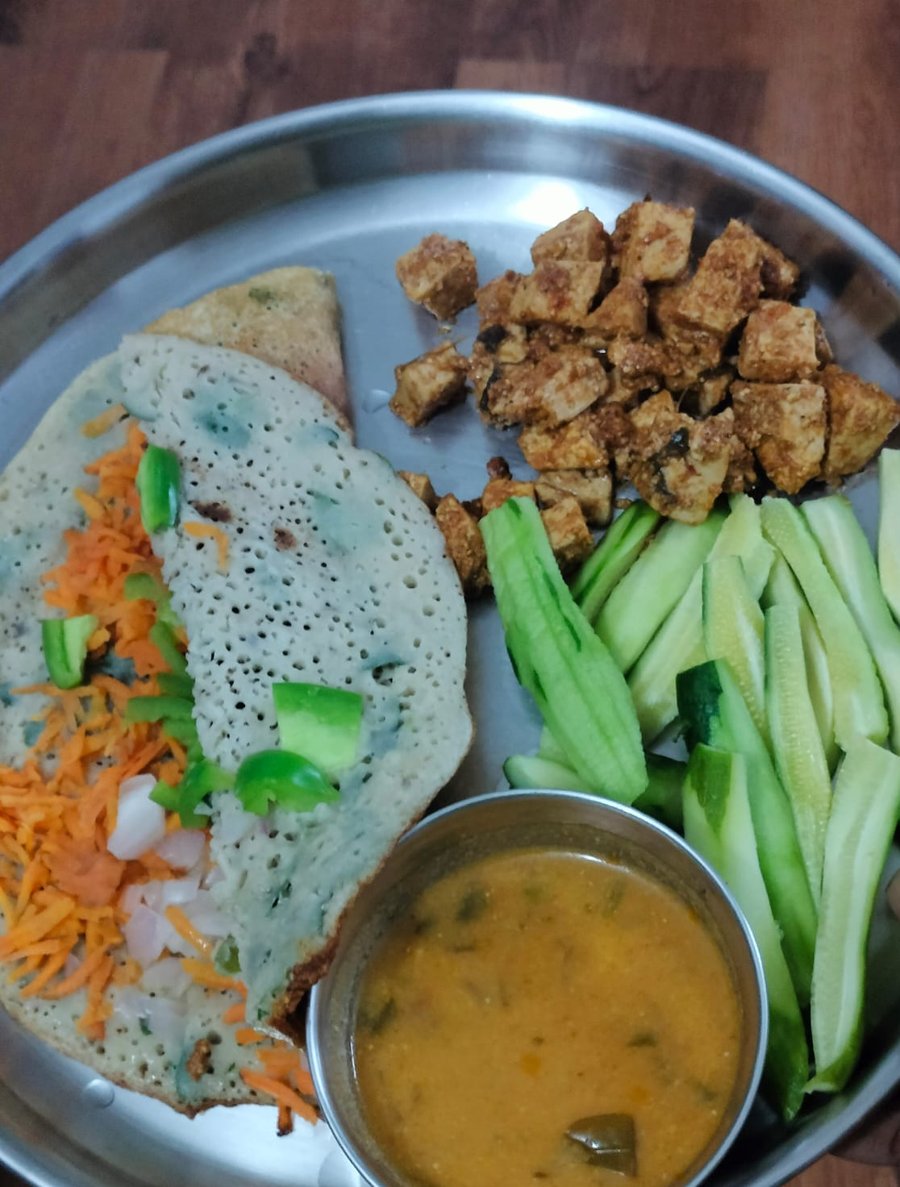
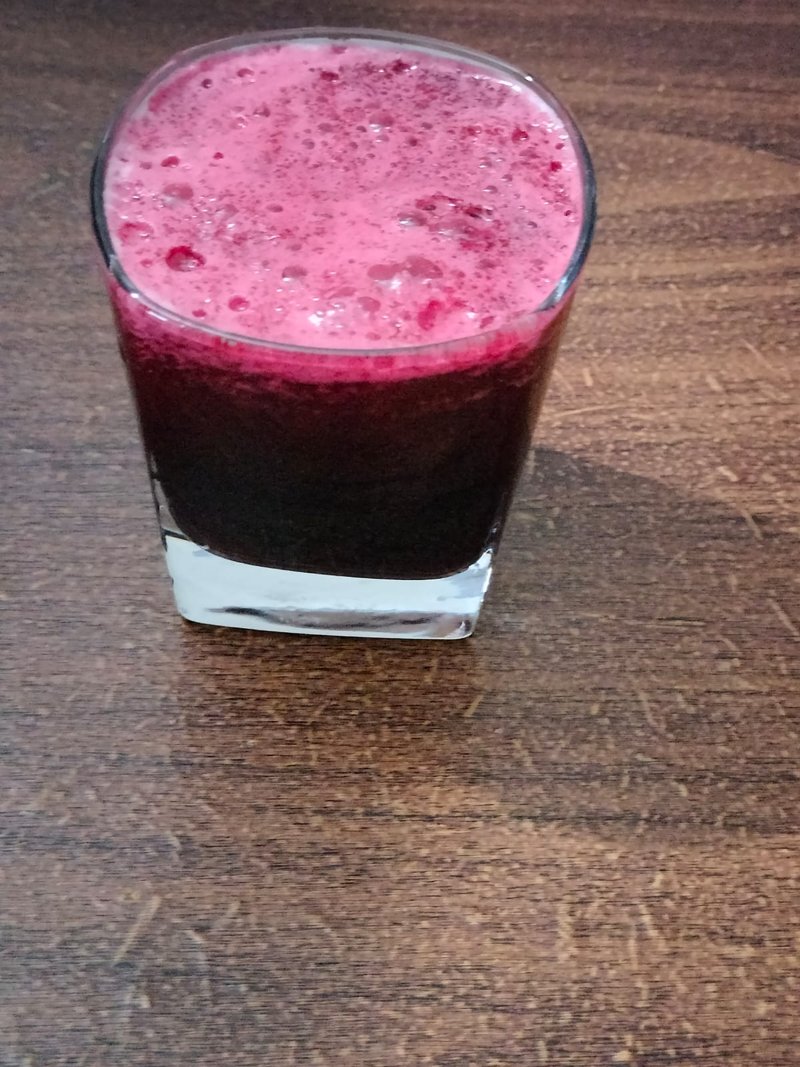
Hydration she could feel. She often felt dehydrated and fatigued, so hydration-focused drinks and juices were added in, an easy, pleasant change that supported her energy through long clinic days.
Movement adapted to her joints. She already trained, so this was not about doing more. It was about training smart around her back and knee pain so she could stay active safely and consistently, instead of pushing into the discomfort and then stopping altogether.
None of this was dramatic. There was no detox, no punishing regimen, no overhaul she could not sustain. The whole point was to build a way of eating and moving that would survive a real, demanding life.
If this is the season you are in, message Dr. Suganya directly on WhatsApp. Tell her what is going on with your weight, your energy, or your periods, and she will read it herself and tell you whether a conversation with our team would help.
Talk to Dr. Suganya on WhatsApp
How Her Body Responded
From the very first week, Raagini was consistent. Despite the clinic, she made time to prepare her meals and follow the plan. She kept up her workouts in their adapted form. And she stayed patient, which mattered, because her weight did not drop overnight.
It did not need to. Slowly, the habits became second nature, and the numbers followed.
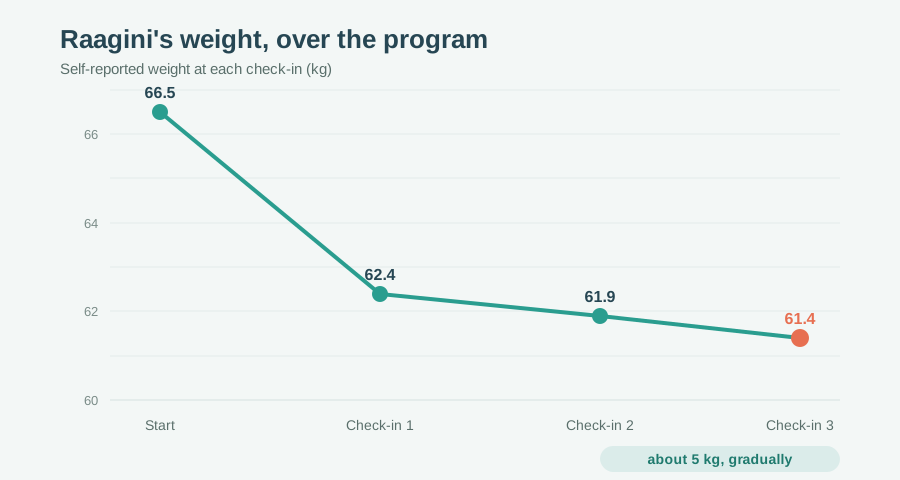
Over the program she lost about 5 kg from her starting weight, along with visible inch loss around her middle. But the number on the scale was not the moment she remembered most. That came when she crossed a threshold she had not seen in years.
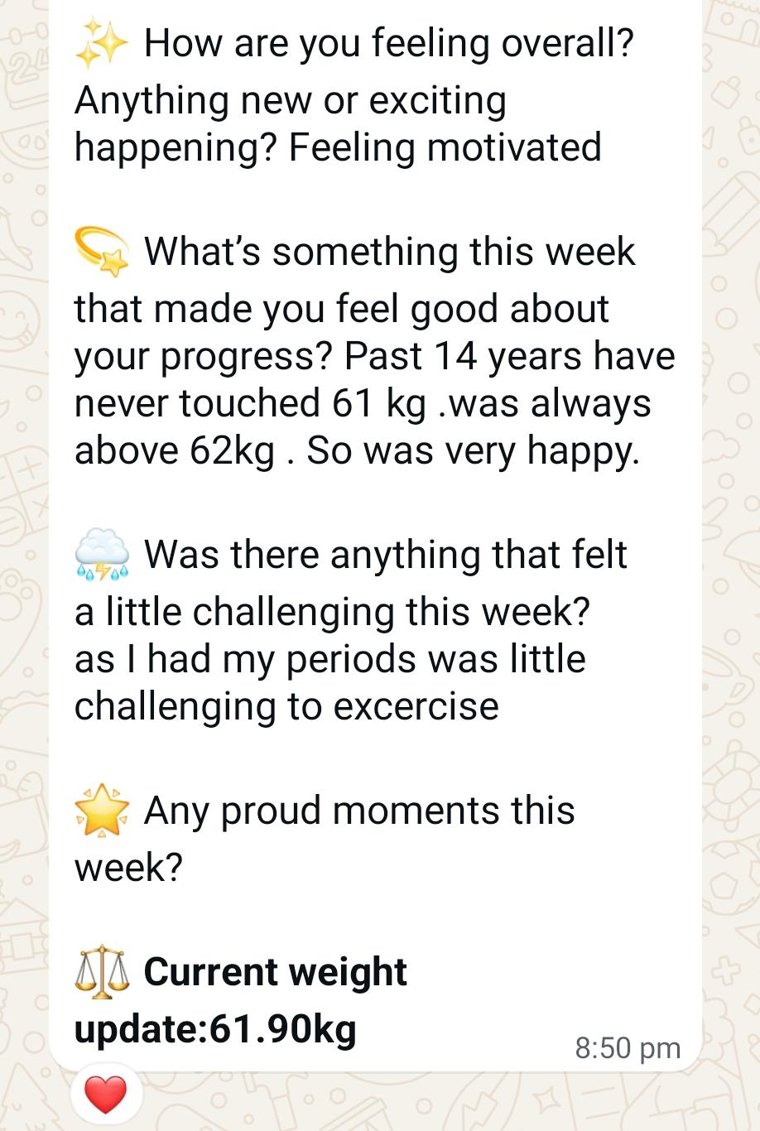
In her own words: “Past 14 years have never touched 61 kg. Was always above 62 kg. So was very happy.” Fourteen years is a long time to live above a number. Going under it was not about vanity. It was proof that her body could still change.
The rest changed too. She described feeling “energetic” and noticing “inch loss around my tummy.” Her fatigue lifted. Her back and knee discomfort eased as she got lighter and moved more comfortably. And she was honest about the hard weeks, too. During her periods, she told us, exercise was “little challenging.” That honesty is exactly right, and it is part of why her progress lasted. She was not chasing a perfect streak. She was building something she could keep.
Why This Story Matters for Your 30s and 40s
Raagini’s journey is a good illustration of something we see often at Menolia, in women younger than most people expect.
The late 30s are when the hormonal shift begins for many women. Mood swings, energy crashes, hormonal fluctuations, and weight that suddenly resists your usual efforts are common in this window, long before anyone uses the word menopause. If you have written about losing weight during perimenopause in your own head a hundred times, this is the territory you are in.
Weight that will not move is information, not a character flaw. When an active woman cannot lose weight, the answer usually lies in what is happening with her hormones, her haemoglobin, her sleep, and her stress, not in trying harder. We have written about why weight settles around the middle in this stage and what actually helps it move.
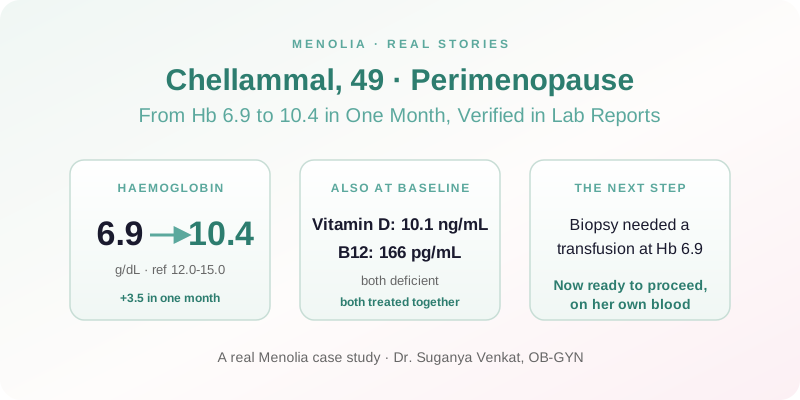
Conditions like adenomyosis sit alongside all of this. Adenomyosis and fibroids are real, and they deserve proper medical management with your gynaecologist. They also commonly bring heavy periods and the fatigue that follows, which is why correcting low haemoglobin and supporting energy made such a difference for Raagini. If heavy bleeding is your main concern, this guide on heavy bleeding in perimenopause is a good place to start, and you may relate to Chellammal’s story, another woman with adenomyosis who rebuilt her health in this stage.
Conception was never the goal here, and weight was only part of it. What Raagini got back was energy, comfort in her own body, and the quiet confidence of seeing her body respond. In this season of life, that is the outcome that matters most.
How Dr. Suganya Works With You
Dr. Suganya Venkat is an OB-GYN with over 15 years of clinical experience. She holds a DNB in OB-GYN from GKNM Hospital, Coimbatore, an MD in Pathology from CMC Vellore, and an MBBS with 5 gold medals from SRMC.
She consults online across India, so there is no travel beyond a video call, and your scans and reports can be reviewed digitally. She works alongside your existing gynaecologist, not in place of them. Conditions like adenomyosis and fibroids stay under your doctor’s care. What our team adds is the lifestyle layer, nutrition, movement, sleep, and energy, built around the life you actually live.
For more on this, read our guide on Menopause Fatigue.
Frequently Asked Questions
Is Raagini’s story real?
Yes. Raagini is a real woman in our program, and the clinical details and outcomes are from her actual journey. Her name has been changed and her personal photographs are not used, at her request. Her story is shared with her consent.
Can you lose weight with adenomyosis and fibroids?
Yes. Adenomyosis and fibroids do not make weight loss impossible. They often bring heavy periods and fatigue that make it feel impossible, especially when low haemoglobin is draining your energy. Raagini lost about 5 kg with a sustainable plan while her adenomyosis stayed under her gynaecologist’s care. The conditions are managed medically; the weight and energy respond to nutrition, movement, and correcting deficiencies.
Why can’t I lose weight in my late 30s even though I exercise?
This is one of the most common frustrations we hear. As the hormonal transition toward menopause begins, often in the late 30s, the body changes how it stores fat and uses energy. Add low haemoglobin, poor sleep, or stress, and regular exercise alone may not be enough. The fix is usually not more punishing workouts but addressing the underlying picture: nutrition, iron status, sleep, and stress, alongside movement you can sustain.
Is 38 too early for perimenopause symptoms?
No. While the menopause transition most often becomes noticeable in the 40s, many women begin to feel hormonal shifts in their late 30s: changing periods, mood swings, energy crashes, and weight that resists their usual efforts. Feeling these things at 38 is more common than most women are told.
Did she follow a strict diet?
No. The plan was deliberately flexible because her schedule as a dentist demanded it, and because she did not enjoy repetitive meals. It used simple, varied, iron-rich everyday foods with sensible portions and hydration, not a crash diet or a detox. That is exactly why the changes lasted.
What about the heavy periods and the thickened lining?
Those remain part of her medical care with her gynaecologist, which is the right place for them. A thickened endometrium and adenomyosis are evaluated and managed clinically. What our program supported was her overall health around that care: correcting low haemoglobin, improving energy, and helping her reach a healthier weight, all of which can make the symptom burden easier to carry.
How do I start a conversation with Dr. Suganya?
Send a WhatsApp message to +91 9940270499 describing what you are experiencing in a few lines. Dr. Suganya reads these herself and will tell you whether a consultation with our team is the right next step.
If Raagini’s Story Sounds Like Yours
You do not need a dramatic crisis to ask for help. Weight that will not move, energy that runs out by afternoon, periods that have become heavier or harder, or simply the sense that your body is not responding the way it used to, these are all reasons enough to reach out.
If any part of this felt like your own life right now, that is reason enough to start a conversation.
Message Dr. Suganya on WhatsApp
She will read your message herself and tell you what the right next step is for you.