A woman in her fifties told me, almost apologetically, that she had started using Dettol in her bathing water every day because she was worried about “infection down there” after her periods stopped. She was not doing anything unusual. In Indian households, a splash of antiseptic liquid in the bucket is such a routine habit that most women never think to mention it at a consultation, and most doctors never think to ask. It rarely comes up, and when it does, it usually turns out to be part of the problem rather than the solution.
This is one of the most common things I see undoing a woman’s own efforts at menopause. She is doing everything she believes is right, being extra careful, extra clean, and the products she is reaching for are the ones actively working against the tissue she is trying to protect. Nobody explained that what worked for this area at 25 does not work the same way at 50, because the environment itself has changed.
This post covers what actually changes in the vaginal and vulvar area at menopause, why common hygiene habits (fragranced soap, antiseptic handwash, douching) make things worse rather than better, and what to use instead.
Why the vaginal environment changes after menopause
During the reproductive years, oestrogen keeps the vaginal and vulvar tissue thick, well lubricated, and populated by Lactobacillus bacteria. These bacteria produce lactic acid and keep the vaginal pH acidic, typically between 3.8 and 4.5, which is inhospitable to most infection-causing organisms.
When oestrogen falls at menopause, this whole system shifts. The tissue thins, natural lubrication drops, the Lactobacillus population shrinks, and pH rises. A large US cohort study of postmenopausal women found that markers of vaginal atrophy, thinner tissue and a vaginal pH above 5, were linked to a shift away from the protective Lactobacillus-dominant bacterial pattern seen in younger women (Waetjen LE et al., Menopause, 2023, PMID: 37788422). The vulvar skin surrounding the vagina goes through a related but separate shift: the subregions of the vulva each carry their own pH, hydration level, and resident bacteria (commonly Lactobacillus alongside Corynebacterium, Staphylococcus and Prevotella), and a disturbance in the vulvar microbiota can unbalance the vaginal microbiota in turn, and vice versa (Bohbot JM et al., Healthcare, 2025, PMID: 40648548).
In practical terms, this means the vulvovaginal area at menopause is drier, thinner, and more easily irritated than it was at 30, and it is working with a smaller, less resilient population of protective bacteria. It is not dirtier. It does not need more cleaning. It needs gentler, less frequent cleaning, and that distinction is the whole point of this post.
This tissue change is the same one that drives several other menopause symptoms. If dryness, discomfort during sex, or burning are your main concern rather than the daily-hygiene question, the genitourinary syndrome of menopause guide and vaginal dryness guide cover the fuller symptom picture and treatment options, including vaginal moisturisers, lubricants, and local oestrogen. This post stays focused on the everyday routine: what you wash with, and what you use around that area day to day.
What irritates this area (and why the “extra clean” instinct backfires)
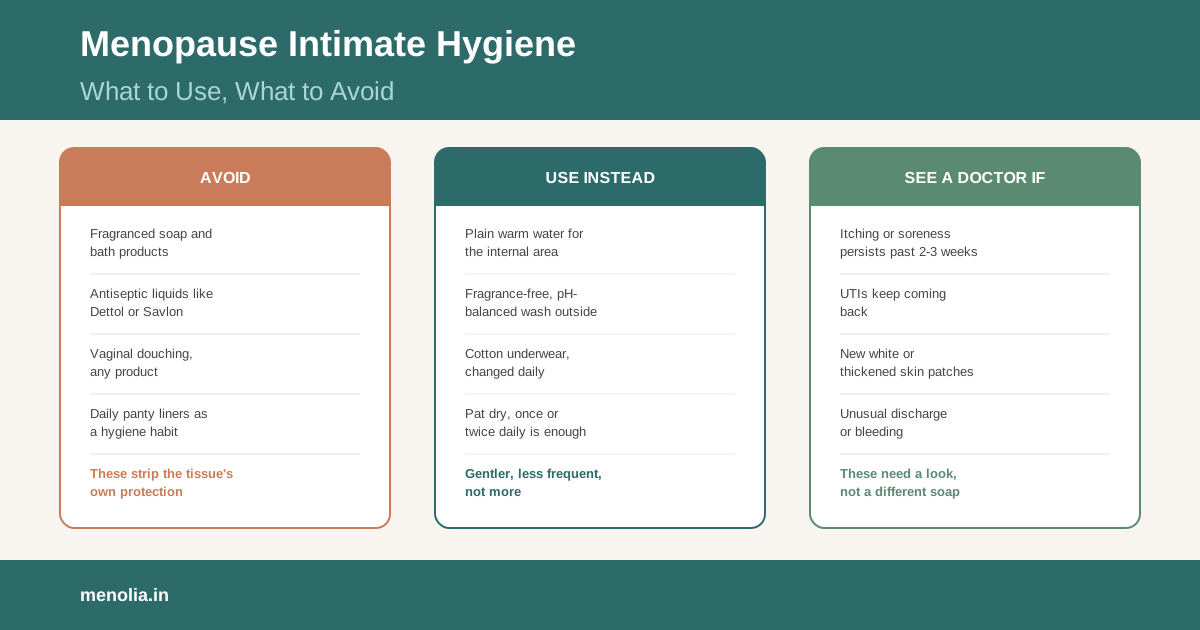
Fragranced soap and bath products. Perfume, dye, and strong detergents in ordinary bar soap or body wash strip the thin protective layer of the vulvar skin. The same review of vulvar hygiene research found that washing with soap alters the skin’s outer protein and lipid structure, increases water loss from the skin, and raises the risk of irritation, an effect that is more pronounced on already-thinning menopausal tissue (Bohbot JM et al., Healthcare, 2025, PMID: 40648548).
Antiseptic liquids like Dettol or Savlon. These are formulated to kill a broad range of microorganisms, which is exactly why they are the wrong tool here. The vaginal and vulvar area needs its own bacteria to stay protected. An antiseptic that cannot tell the difference between a harmful organism and a protective Lactobacillus strain removes both. This habit is extremely common in Indian households, used out of genuine care and caution, and it is one of the more under-discussed contributors to dryness and irritation after menopause.
Vaginal douching. Rinsing or flushing inside the vagina, whether with plain water, an antiseptic mix, or a commercial douche product, disrupts the vulvar and vaginal bacterial balance and has no established hygiene benefit. The vagina is self-cleaning; there is no internal surface that needs to be reached with a wash.
Over-washing, even with plain water. More surprising to most women: washing too often, even with water alone, is also a problem. Repeated washing exposes the outermost skin layer to damage over time, independent of what product is used (Bohbot JM et al., Healthcare, 2025, PMID: 40648548). Once or twice a day, as part of a normal bath, is enough.
Daily panty liners used as a hygiene substitute. An occasional liner for light spotting or discharge is fine. Wearing one every day “to feel clean” traps moisture and heat against tissue that is already thinner and more prone to irritation, and can itself trigger the itching or soreness it was meant to prevent.
Synthetic underwear and tight clothing. Non-breathable fabric holds in heat and moisture, which favours the growth of less desirable organisms over the protective ones this tissue depends on.
None of this means you are doing something wrong on purpose, or that your hygiene habits before menopause were ever a problem. They were built for a different tissue environment, one that could tolerate more without reacting. The goal now is simply to match the routine to what this stage of life actually needs.
Ask Dr. Suganya what’s right for your routine
What to use instead
For the internal area: plain warm water, nothing else. The vagina cleans itself through natural discharge. Water during a normal bath or shower is all the internal area needs. No soap, no wash, no antiseptic, and no douching, ever, inside the vagina.
For the external vulvar area: a mild, unperfumed cleanser, or water alone. If you prefer using something beyond water, choose a fragrance-free, low-pH product designed for intimate or sensitive skin, not an ordinary bathing soap. The vulvar hygiene review found that syndet-based cleansers (a blend of gentle surfactants and buffering agents formulated at a pH suited to the vulvar area, sold as “soap-free” or “syndet” washes) cleaned effectively while protecting hydration and the resident microbiota better than standard soap (Bohbot JM et al., Healthcare, 2025, PMID: 40648548). Read the label for “fragrance-free” and “pH-balanced” rather than trusting marketing terms like “feminine wash” alone; not every product sold for this purpose is unscented.
Pat dry, do not rub. The skin here is thinner now and more easily nicked or irritated by vigorous towelling.
Cotton underwear, changed daily. Breathable fabric reduces the heat and moisture that favour irritation and infection.
Reserve panty liners for actual discharge or spotting, not daily use. If you notice you are reaching for one every single day regardless of need, that is worth raising at your next consultation. It can point to genuine discharge changes, dryness, or minor leakage that deserves its own look.
If dryness or discomfort during sex is the real issue, treat that directly. Hygiene changes alone will not resolve dryness caused by falling oestrogen. Vaginal moisturisers, lubricants for intercourse, and where appropriate low-dose local vaginal oestrogen are the actual treatments for that, covered in full in the vaginal dryness guide.
This is one of the questions I hear most often here, once a woman feels comfortable enough to ask it directly, usually after months of managing an itch or a soreness on her own. It is a simple fix once someone actually says the words out loud.
When hygiene changes are not enough
Switching soaps and stopping douching will not fix everything, and it should not need to. See a gynaecologist, rather than adjusting your routine further, if you notice:
- Persistent itching, burning, or soreness that continues for more than two to three weeks after switching to gentler products
- Recurring urinary tract infections, which have a hormonal cause distinct from hygiene (covered in the menopause and UTIs guide)
- New white, thickened, or shiny patches of skin on the vulva, which can be lichen sclerosus, a treatable condition that is frequently mistaken for ordinary irritation
- Unusual discharge, odour, or bleeding that is not related to your period
- Pain during sex that does not improve with a lubricant
None of these are hygiene failures. They are signs that something else needs a proper look, and correcting them usually takes a short, straightforward consultation rather than months of trial and error with different products.
Talk to Dr. Suganya about persistent irritation or discomfort
Frequently Asked Questions
Is it safe to use Dettol or Savlon for intimate hygiene after menopause?
No. These are broad-spectrum antiseptics designed to kill microorganisms indiscriminately, including the protective Lactobacillus bacteria the vaginal and vulvar area depends on after menopause. Using them regularly can worsen dryness and irritation and disturb the balance that helps keep infection away. Plain warm water for the internal area, and a mild, fragrance-free wash for the external area if needed, is the safer routine.
Can I use normal bathing soap on the vulvar area?
It is best avoided daily. Ordinary soap, especially scented soap, strips the natural protective layer of the skin and can increase dryness and irritation, an effect that is more noticeable on the thinner tissue of the menopausal years. A fragrance-free, low-pH cleanser made for sensitive or intimate skin, or water alone, is gentler.
Is vaginal douching ever necessary after menopause?
No. The vagina is self-cleaning and does not need to be flushed internally with water, an antiseptic solution, or a commercial douche. Douching disrupts the vaginal and vulvar bacterial balance and has no established hygiene benefit at any age.
Why did my hygiene routine that worked fine for years suddenly start causing irritation?
The tissue itself has changed, not your habits. Falling oestrogen at menopause thins the vaginal and vulvar tissue, reduces natural lubrication, and shrinks the population of protective bacteria. Products and routines your body tolerated easily before can become irritating on this more fragile tissue, even without any change on your end.
Are daily panty liners bad for menopausal skin?
Used occasionally for discharge or spotting, they are fine. Worn every day as a routine hygiene habit, they trap heat and moisture against skin that is already thinner and more prone to irritation after menopause, which can itself trigger the itching or soreness you are trying to prevent.
What kind of intimate wash should I actually buy?
Look for a product labelled fragrance-free and pH-balanced for the intimate or vulvar area, ideally a syndet-based (soap-free) formula rather than a standard scented soap. Not every product marketed as a “feminine wash” is genuinely unscented, so check the ingredient list rather than the front-of-pack claim. Plain warm water remains sufficient for most women, and is always the right choice for the internal vaginal area.
Can wrong hygiene products cause UTIs after menopause?
Recurrent UTIs after menopause are mainly driven by falling oestrogen thinning the urinary and vaginal tissue, not by hygiene habits, so switching products alone will not resolve a genuine recurrent-UTI pattern. That said, antiseptic washes and douching can disturb the protective bacteria that would otherwise help keep infection-causing organisms in check, so gentler hygiene supports the same tissue that oestrogen-based treatments are working to protect. The menopause and UTIs guide covers the hormonal mechanism and evidence-based treatment options in full.
Most women I see with this question have been managing an itch or a soreness quietly for months, assuming it is just what getting older feels like, or worse, assuming they are not clean enough and trying to fix it with something stronger. It is usually the opposite. In my video consultations, this is often one of the easiest things to correct once a woman feels able to bring it up. A gentler routine, and knowing when a symptom needs an actual look rather than a different soap, is most of the answer.