When Your Body Starts Holding On
Your rings feel tight by evening. Your ankles are a little swollen after a full day on your feet. You wake up with a puffy face that takes until mid-morning to settle. You have not changed what you eat. You are drinking enough water. And yet you look and feel heavier than you did a year ago, in a way that does not feel like ordinary weight gain.
This is water retention, and in the perimenopause and menopause years it is one of the most common and least-discussed symptoms women experience. It is distinct from the gradual weight gain that comes with hormonal changes, and it is distinct from the gas-driven bloating that often accompanies it.
This post explains why fluid retention happens at menopause, where you will notice it first, what makes it worse, and what actually helps. The good news is that most of the changes that help are practical, India-relevant, and do not require medication.
Why Water Retention Happens in Menopause
The connection is hormonal, and it involves three intersecting systems in your body.
Falling Oestrogen Disrupts Fluid Balance
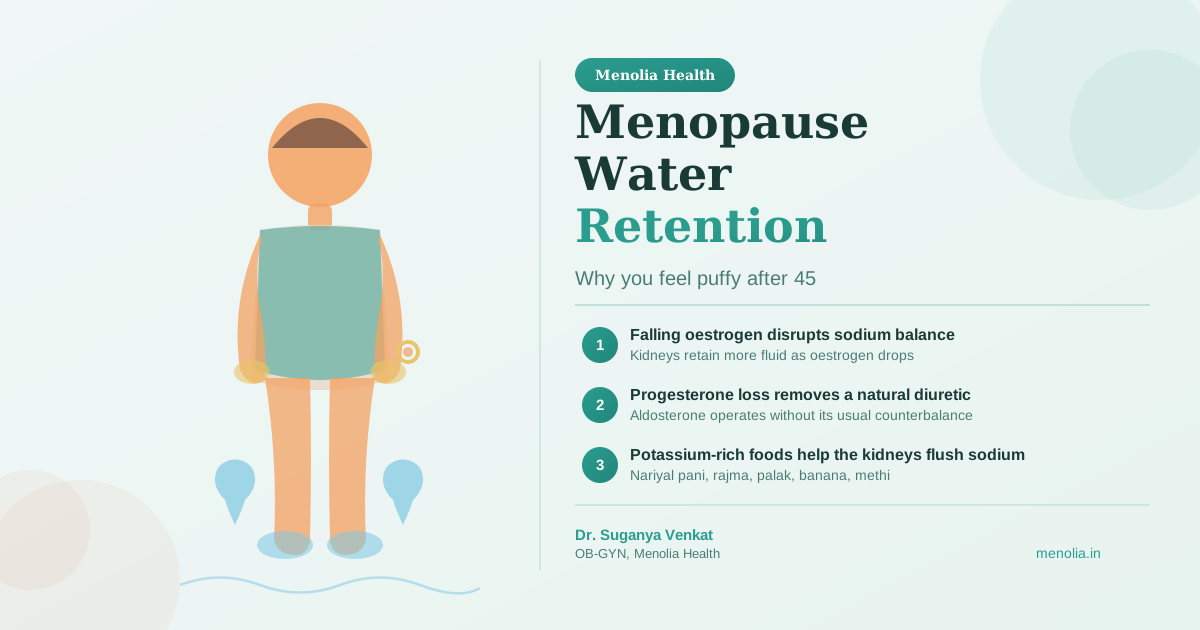
Oestrogen plays a direct role in how your body manages sodium and water. Research published in Exercise and Sport Sciences Reviews (Stachenfeld, 2008) describes how oestrogen has natriuretic properties, meaning it helps the kidneys excrete excess sodium. When oestrogen is plentiful, your kidneys are better at shedding sodium, and water follows sodium out of the body.
As oestrogen falls during perimenopause, this sodium-excreting action weakens. The kidneys become more likely to retain sodium, and where sodium stays, water follows. Fluid accumulates in the soft tissues of the body, particularly in the lower legs, ankles, and face.
Progesterone Loss Removes a Natural Diuretic
Progesterone, which also falls sharply in perimenopause, has a natural diuretic-like quality. It competes with aldosterone, the hormone responsible for telling the kidneys to hold onto sodium and water. When progesterone is present in adequate amounts, it keeps aldosterone in check (Rylance et al., British Medical Journal, 1985). When progesterone drops, aldosterone operates without that counterbalance. The result is increased sodium retention and the fluid accumulation that goes with it.
This is why some women notice that the water retention of perimenopause feels different from premenstrual bloating. Premenstrual bloating typically resolves when progesterone rises after ovulation. In perimenopause, progesterone drops and does not reliably return, so the fluid retention can feel more persistent and less predictable.
The Role of Cortisol
Perimenopause is also associated with changes in the body’s stress hormone system. As the hormonal transition progresses, cortisol levels can become more variable and, in some women, chronically elevated (Genazzani et al., Journal of Steroid Biochemistry and Molecular Biology, 2007). Cortisol promotes sodium retention and potassium loss. Women who are managing significant life stress during the perimenopause years, which is common for the sandwich generation caring for aging parents and growing children, may find that stress compounds the fluid retention driven by hormonal change.
For more on this, read our guide on Menopause & Cortisol.
For more on this, read our guide on Menopause & Immune System.
Where You Will Notice It First
Fluid retention in menopause tends to follow gravity and pressure patterns.
Ankles and lower legs: The most common site. Gravity pulls retained fluid downward, and prolonged sitting or standing makes it more visible. Socks or sandal straps that leave an indent at the end of the day are a reliable indicator.
Fingers and hands: Rings that fit comfortably in the morning may feel tight by evening. Some women stop wearing rings during perimenopause because of this daily fluctuation, not realising it has a hormonal cause.
Face (particularly around the eyes): Puffiness on waking that fades through the morning is a pattern many women describe. The face retains fluid overnight when lying flat, and it redistributes as you move around.
For more on this, read our guide on Menopause Face. Abdomen: Fluid can also accumulate in the abdominal area, sometimes alongside the hormonal belly fat described in this guide to menopause belly fat. The two often coexist, but water retention fluctuates day to day while visceral fat accumulates gradually. Water retention also feels different from the gas and pressure of menopause bloating, which is digestive in origin.
What Makes It Worse
Several factors amplify the fluid retention that comes from hormonal changes.
High-sodium food. Sodium is the primary driver of water retention at a cellular level. Indian home cooking is generally moderate in sodium, but packaged food changes that picture significantly. Namkeens, biscuits, pickles (achar), instant soups, ready-made chutneys, and papads are all high in sodium. A single serving of a popular namkeen can contain 400 mg of sodium or more, which is a substantial portion of the recommended daily limit.
Prolonged sitting or standing. When you stay in one position for extended periods, fluid pools in the lower limbs. This is particularly relevant for women who work at desks all day or who stand for long hours in kitchens or shops.
Poor sleep. Sleep disruption, itself one of the most common menopause symptoms, affects the regulation of aldosterone and the cortisol rhythm. Women who are sleeping poorly may notice that their water retention is consistently worse. If sleep is a significant problem alongside fluid retention, the guide to menopause sleep problems covers what the evidence supports.
Heat. Hot weather causes blood vessels to expand (vasodilate), and fluid leaks from the vessels into surrounding tissues more readily. Indian summers, particularly in cities like Coimbatore, Chennai, and Mumbai, mean this is a seasonal factor that can noticeably worsen perimenopause water retention from April through June.
Refined carbohydrates. The body stores carbohydrates as glycogen, and each gram of glycogen holds approximately three grams of water. Meals heavy in white rice, maida, or refined sugar can produce a temporary but significant increase in fluid retention. Switching some meals to millets, which have a lower glycemic index and different glycogen storage characteristics, can reduce this effect.
What Actually Helps
Adjust What You Eat (Without Restricting Calories)
The goal is not a restrictive diet but a shift toward foods that support fluid balance.
Increase potassium-rich foods. Potassium works directly against sodium’s water-retaining effects. Foods high in potassium help the kidneys excrete excess sodium. Good Indian sources include:
- Nariyal pani (coconut water): one of the most potassium-rich natural drinks available in India, with roughly 600 mg per cup
- Rajma, moong dal, and chana: all rich in potassium and also good sources of magnesium
- Palak (spinach): useful for both iron and potassium together
- Banana: easy, portable, familiar, and reliably potassium-rich
- Methi leaves and seeds: versatile in Indian cooking and potassium-supportive
Increase magnesium. Magnesium supports kidney function and also helps regulate the cortisol response. Ragi (finger millet), til (sesame seeds), and rajma are all good sources in everyday Indian cooking.
Stay well hydrated. Counter-intuitively, not drinking enough water causes the body to hold onto the water it has. Staying well hydrated through the day supports kidney function and helps flush excess sodium. Jeera water (cumin seed water) in the morning and dhania (coriander seed) water are traditional options that many women find useful and that have mild diuretic properties in traditional and Ayurvedic use.
Reduce sodium from packaged sources. Home-cooked food in Indian households is generally lower in sodium than packaged food. If namkeens, papads, or pickles are daily habits, reducing those portions is the most direct dietary lever for water retention. You do not need to stop cooking with salt; the bigger gains come from packaged food.
Choose millets over refined grains some of the time. Replacing some white rice with ragi, jowar, or bajra on a regular basis reduces the glycogen-and-water effect of refined carbohydrates without requiring a complete dietary overhaul.
Keep the Body Moving
Physical movement supports the lymphatic system, which plays a key role in returning retained fluid from the tissues back into circulation. Walking in particular is effective: even 30 minutes of walking after a meal helps move fluid out of the lower limbs.
Exercise during menopause covers the evidence in more detail. For water retention specifically, leg elevation in the evenings (lying with your feet raised above the level of your heart for 20 minutes) is a simple addition that many women find makes a visible difference by the following morning.
Manage Sodium at the Last Meal of the Day
Fluid retention is often most visible in the morning because of overnight sodium balance. If your evening meal is higher in sodium than usual, whether from restaurant food, a celebration, or a heavier cook, the puffiness on waking tends to be worse. Being deliberate about the salt content of the last meal of the day is one of the more practical adjustments women report noticing quickly.
Are you experiencing water retention alongside other menopause symptoms and not sure what is driving it? Dr. Suganya Venkat helps women understand and manage the full symptom picture of perimenopause and menopause through online consultations. WhatsApp 91 99402 70499 to ask directly.
When to See a Doctor
Most menopause-related water retention is symmetrical (both ankles equally swollen), fluctuates with diet and activity, and responds to the steps above. It does not require medical treatment on its own.
However, fluid retention that does not follow these patterns can signal something different. See your doctor if:
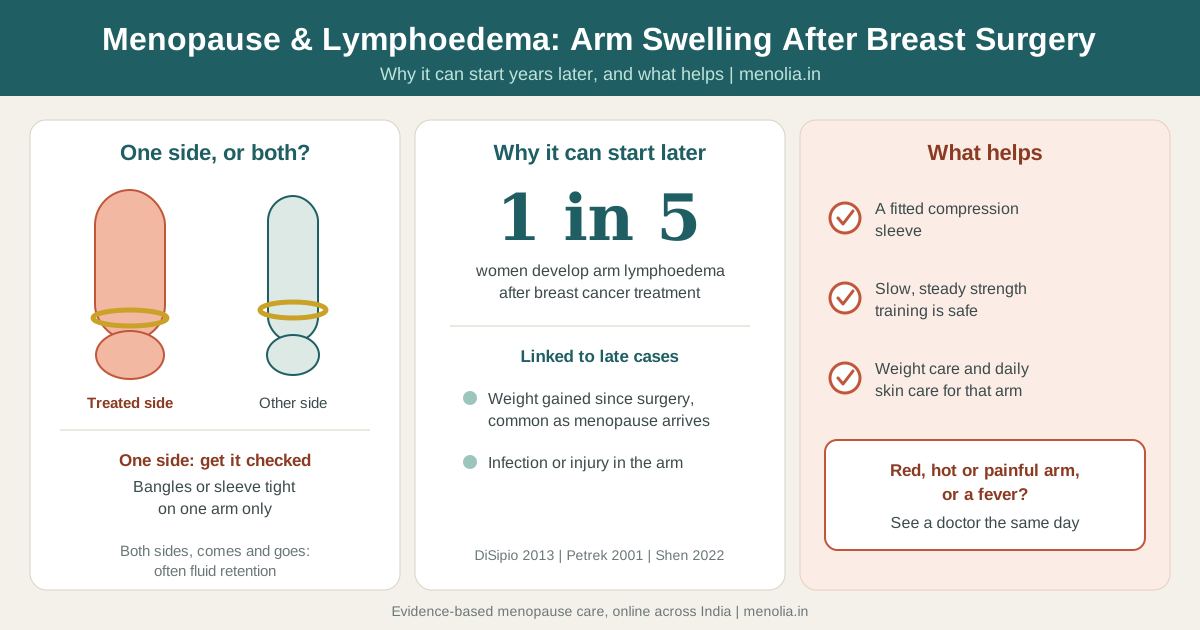
- The swelling is in one leg only, or one limb is noticeably larger than the other
- The swelling comes on suddenly rather than gradually
- The skin over swollen areas becomes red, warm, or painful
- You have shortness of breath alongside swelling
- Your face and eyes are persistently swollen despite normal sleep and reduced sodium
These patterns can indicate circulatory, kidney, liver, or cardiac causes that are unrelated to menopause and need proper evaluation.
Water retention that is affecting your blood pressure readings is also worth discussing with your doctor, since the sodium-retention mechanism that drives fluid retention can also contribute to blood pressure elevation in the menopause years.
FAQ: Menopause and Water Retention
Is it normal to feel puffy during perimenopause even if I am not eating more?
Yes. The fluid retention that comes with falling oestrogen and progesterone is driven by hormonal changes in how the kidneys manage sodium, not by calorie intake. You can be eating the same diet you have eaten for years and notice a distinct increase in puffiness during perimenopause.
How do I tell the difference between menopause water retention and weight gain?
Water retention tends to fluctuate from day to day. You may weigh noticeably more after a high-sodium meal or a poor night of sleep, then less again after a day of light eating and movement. Actual fat accumulation changes slowly over weeks and months. If your weight changes by more than a kilogram or two within a single day, that is almost always fluid, not fat.
Does cutting salt completely help water retention?
You do not need to eliminate salt entirely. The goal is to bring daily sodium into a reasonable range and to reduce the main sources of excess sodium in your diet, which in most Indian households is packaged food rather than cooking salt. Reducing namkeens, papads, and pickles has more impact than removing salt from your cooking.
Will drinking more water make the puffiness worse?
No. Drinking water helps the kidneys flush excess sodium, which reduces water retention over time. Restricting fluids tends to make the body hold onto water more tightly. Staying well hydrated throughout the day supports fluid balance rather than working against it.
Does menopause-related water retention affect blood pressure?
It can. Sodium retention is one of the mechanisms through which falling oestrogen contributes to rising blood pressure in the menopause years. If you are managing water retention alongside higher blood pressure readings, it is worth discussing both with your doctor together rather than treating them separately.
How long does menopause water retention last?
It varies. For many women, the most noticeable fluid fluctuations occur during the perimenopause transition, when oestrogen and progesterone are actively changing. Post-menopause, hormone levels stabilise at a new baseline, and some women find the fluid retention becomes more predictable and easier to manage with consistent dietary and lifestyle habits.
Can this symptom be managed without medication?
For most women, yes. The hormonal mechanism responds well to consistent dietary changes (reducing sodium, increasing potassium and magnesium) and regular movement. Prescription diuretics are occasionally used for significant fluid retention, but they carry their own side effects and are not the first step for the moderate, fluctuating puffiness that is typical of menopause. Discuss with your doctor if lifestyle changes are not sufficient.
The Takeaway
The puffiness and swelling that comes with menopause has a clear hormonal explanation. Falling oestrogen and progesterone change how the kidneys handle sodium, aldosterone operates without its usual counterbalance, and fluid accumulates in the tissues.
The most practical response focuses on potassium-rich Indian foods (nariyal pani, rajma, palak, banana, methi), reducing sodium from packaged sources, staying well hydrated, and keeping the body moving. These are not dramatic interventions. They fit into the kind of cooking and daily routine that most Indian women are already managing.
For a full picture of the hormonal changes driving multiple menopause symptoms together, the guide to perimenopause treatment covers the broader framework of what the evidence supports.
If fluid retention is affecting your comfort and confidence, you do not need to manage it alone. Dr. Suganya Venkat consults online with women through every stage of the perimenopause and menopause transition. WhatsApp 91 99402 70499 to ask about what is right for your situation.
This article is for informational purposes only and does not constitute medical advice. Consult a qualified doctor before making changes to your treatment or supplementation.