Name has been changed to protect patient privacy. This story was written by Sathyadevi in her own words. Published with the family’s explicit consent.
A note from Menolia. Sathyadevi joined our clinic before Menolia existed as a distinct brand. She was cared for by the same team and the same Dr. Suganya, and her journey was one of the reasons we built Menolia. Throughout her story she refers to “Fertilia,” which is what the clinic was called when she enrolled. We have kept her words exactly as she wrote them.
In Her Own Words
I’m Sathyadevi, 62 years old, mother of three children.
For many years, I spent most of my life taking care of everyone around me, my family, my home, my responsibilities. Somewhere in between all of that, I slowly stopped paying attention to myself.
I had gone through menopause nearly 7–8 years back. Over time, my body started changing in many ways. I had high blood pressure, knee pain because of arthritis, varicose veins, leg pain, fatigue, and overall tiredness most of the time. Even simple things started feeling physically exhausting for me.
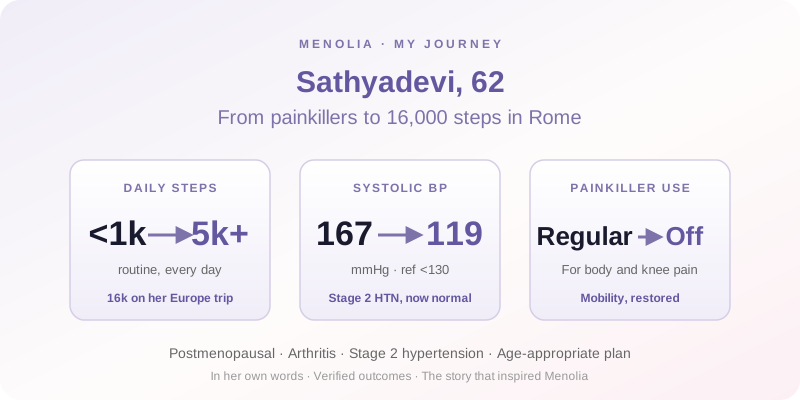
I was also regularly depending on painkillers because of my body pain and knee discomfort.
At one point, I physically felt like I had lost myself. I was around 81 kilos at that time, and even though I knew my health needed attention, mentally I was not very ready to start something new. I had become used to adjusting around my pain and tiredness instead of actually addressing it.
My daughter was the one who pushed me to join Fertilia, which she came to know through Instagram.
Honestly, initially I was not very open to it. At this age, I felt:
“What new thing am I going to do now?”
“Will I even be able to follow anything properly?”
“Will my body cooperate?”
I had many doubts within myself. But after joining, the experience slowly started feeling much more comfortable than I expected.
The First Consultation
During the initial consultation with Dr. Suganya, my complete history, health condition, lifestyle, and difficulties were patiently understood. I was guided to undergo the necessary investigations, and they gave more clarity about what my body actually needed at this stage.
My reports revealed several things I had not known about:
Elevated ESR levels (85 mm/hr), indicating increased inflammation in the body.

High triglyceride levels (194 mg/dL) and mildly elevated VLDL (39 mg/dL).


Non-HDL cholesterol of 138 mg/dL, along with allergic tendencies shown through elevated eosinophils (7.4%).


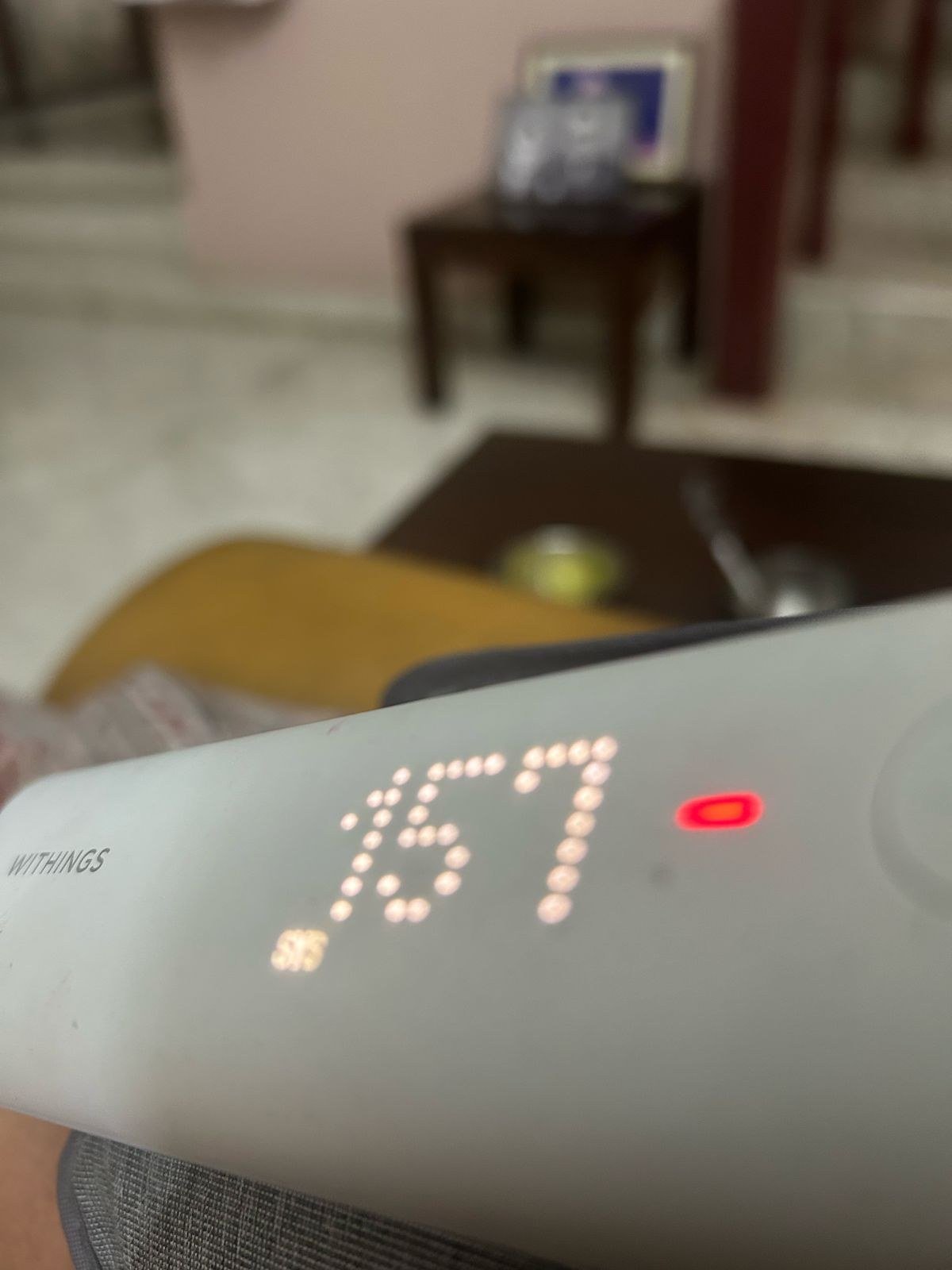
My BP levels were also elevated, and my systolic readings were falling under Stage 2 hypertension range at certain points.
I was then prescribed targeted supplements according to my reports and health condition to support my nutritional needs and overall recovery.
The Nutrition Plan
Then came the nutrition consultation. And honestly, this was one of the biggest fears for me.
I have always enjoyed good food. I like wholesome, colourful meals and traditional home food. I knew I would never be able to follow something extremely restrictive or unrealistic for long periods. But what surprised me was this, the plan was not about starving or suddenly changing my entire lifestyle.
Instead, they understood my routine, my food preferences, my age, and the way I had been eating for years. The food was adjusted according to what my body actually required rather than forcing me into something extreme. Very small details were corrected carefully.
Initially, I used to think eating more protein like paneer or eating proper meals would increase my weight. Since I am vegetarian, I also did not really know how to include good protein sources properly in my meals. But with guidance from the nutritionist, I slowly started understanding how to balance my plate better. My meals started including better protein sources, vegetables, and more structured eating patterns in a way that still felt familiar to me.
And my plate started looking more balanced than before, without feeling difficult.
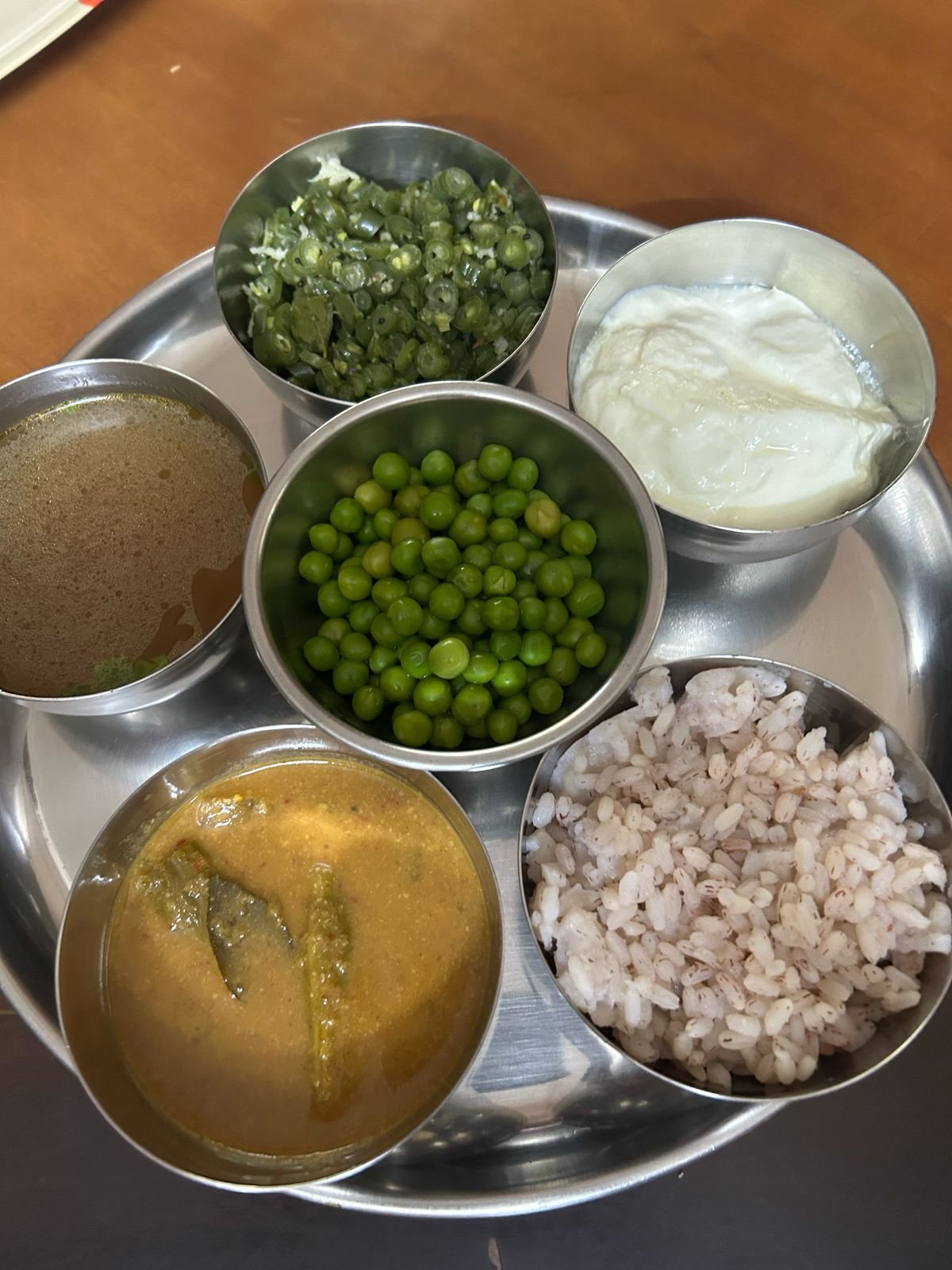
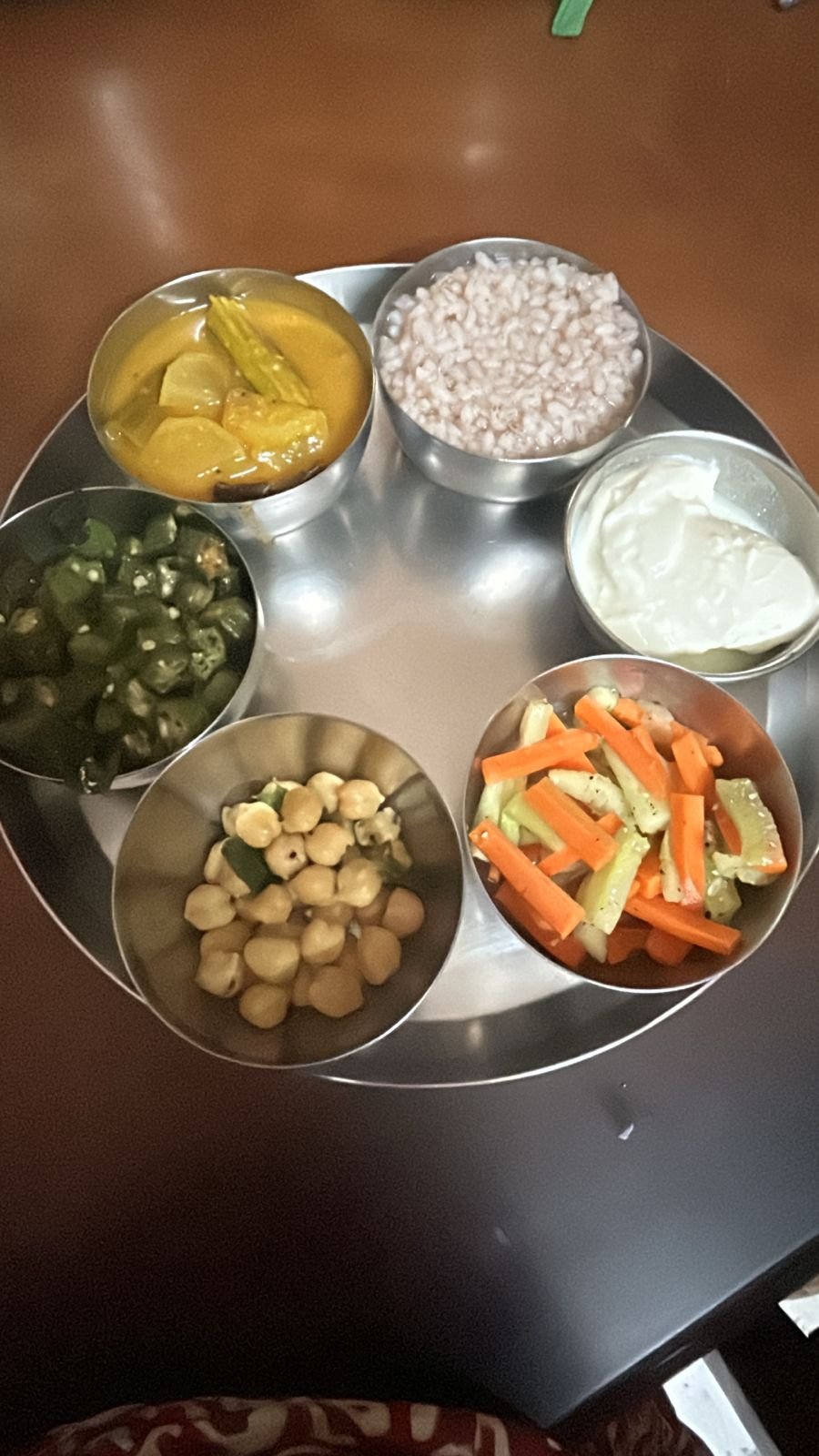
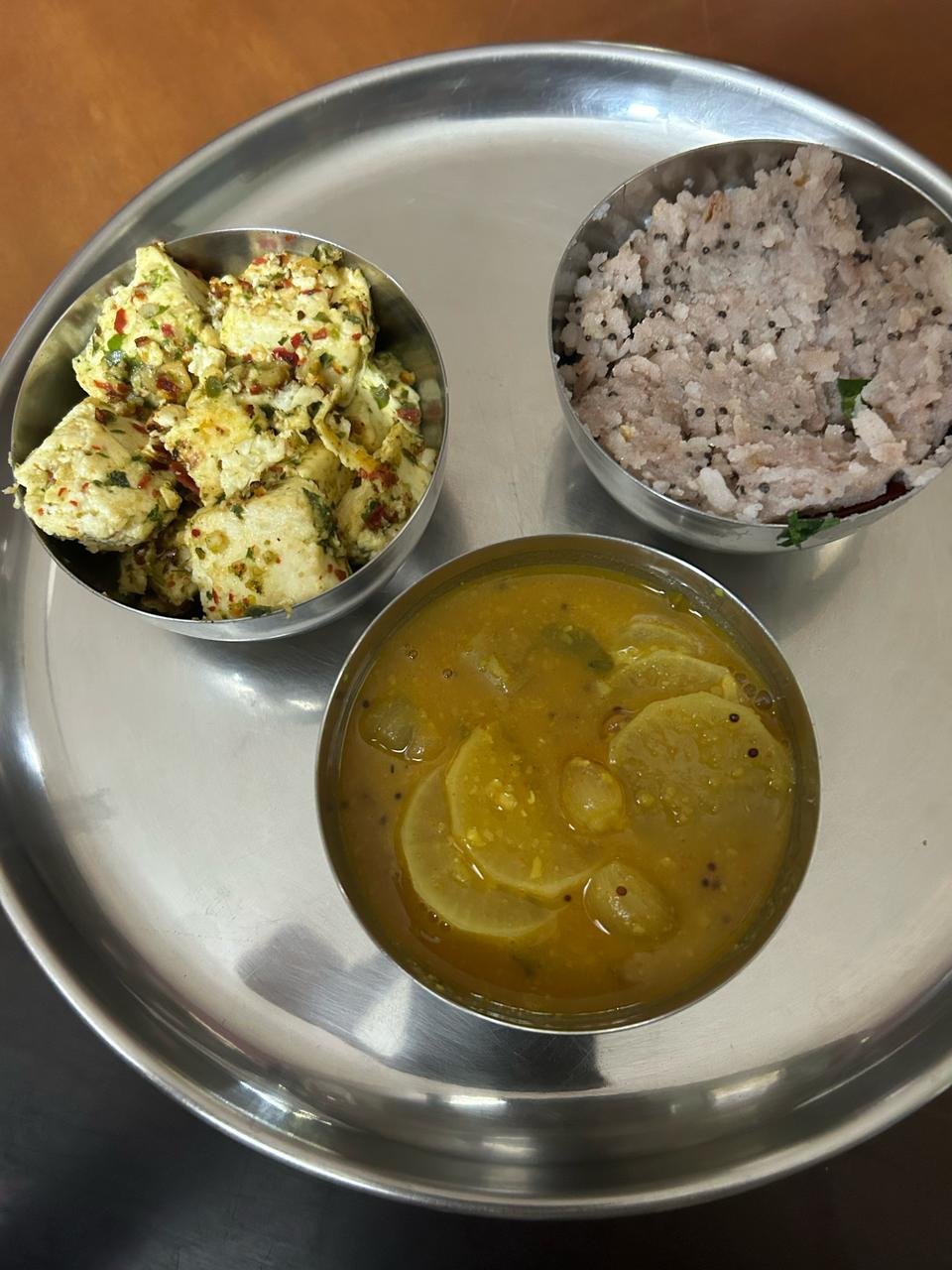
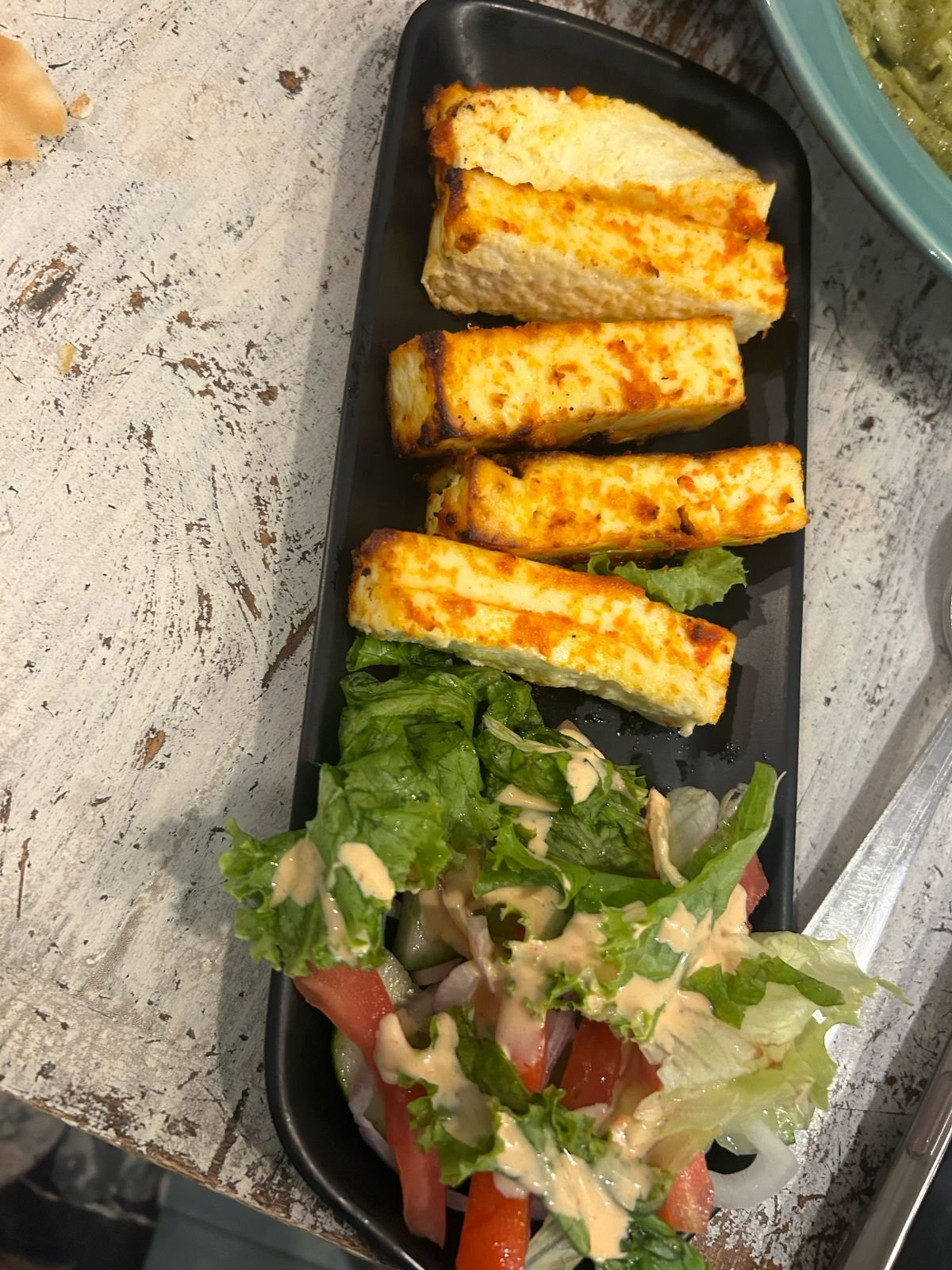
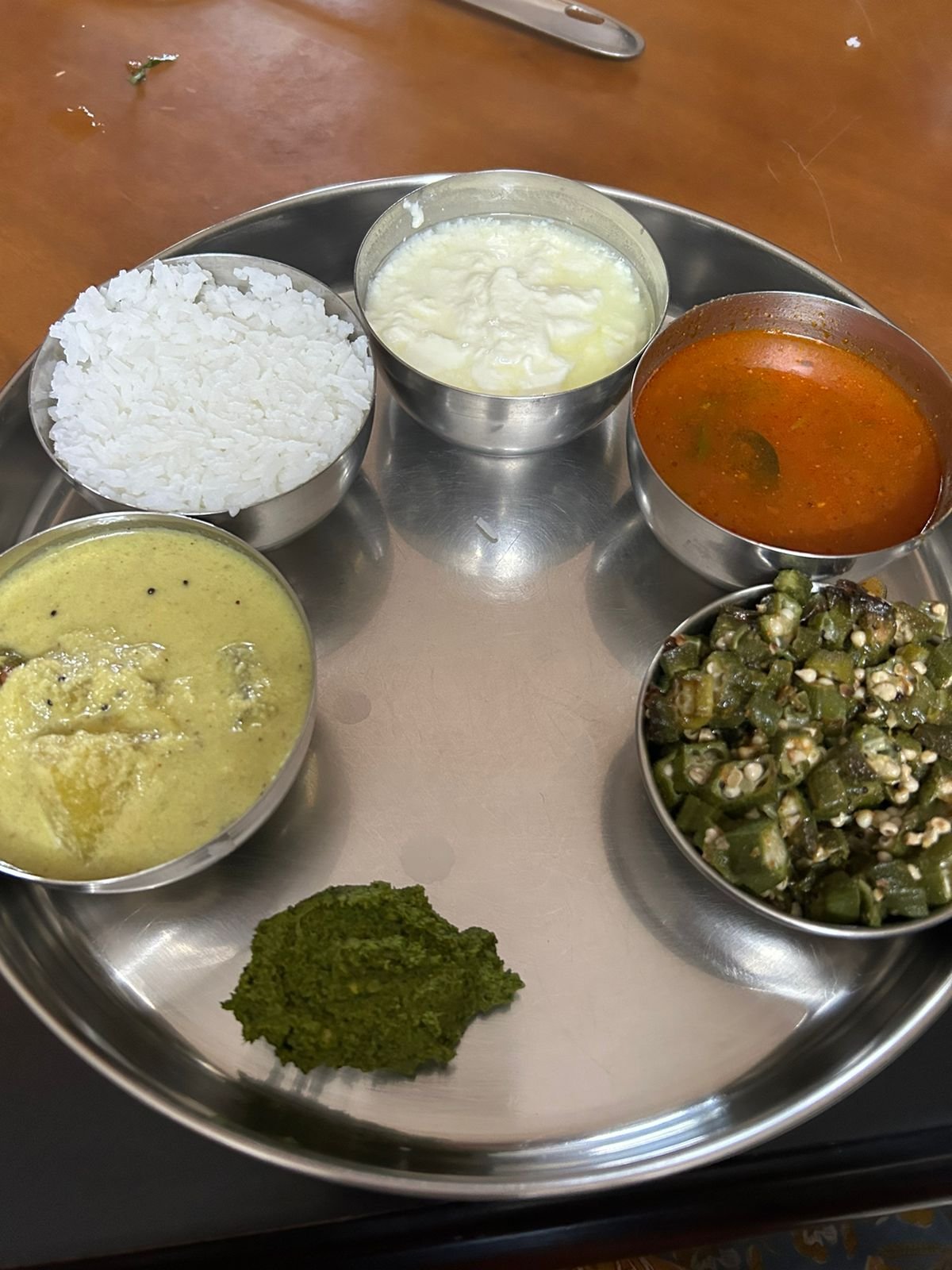
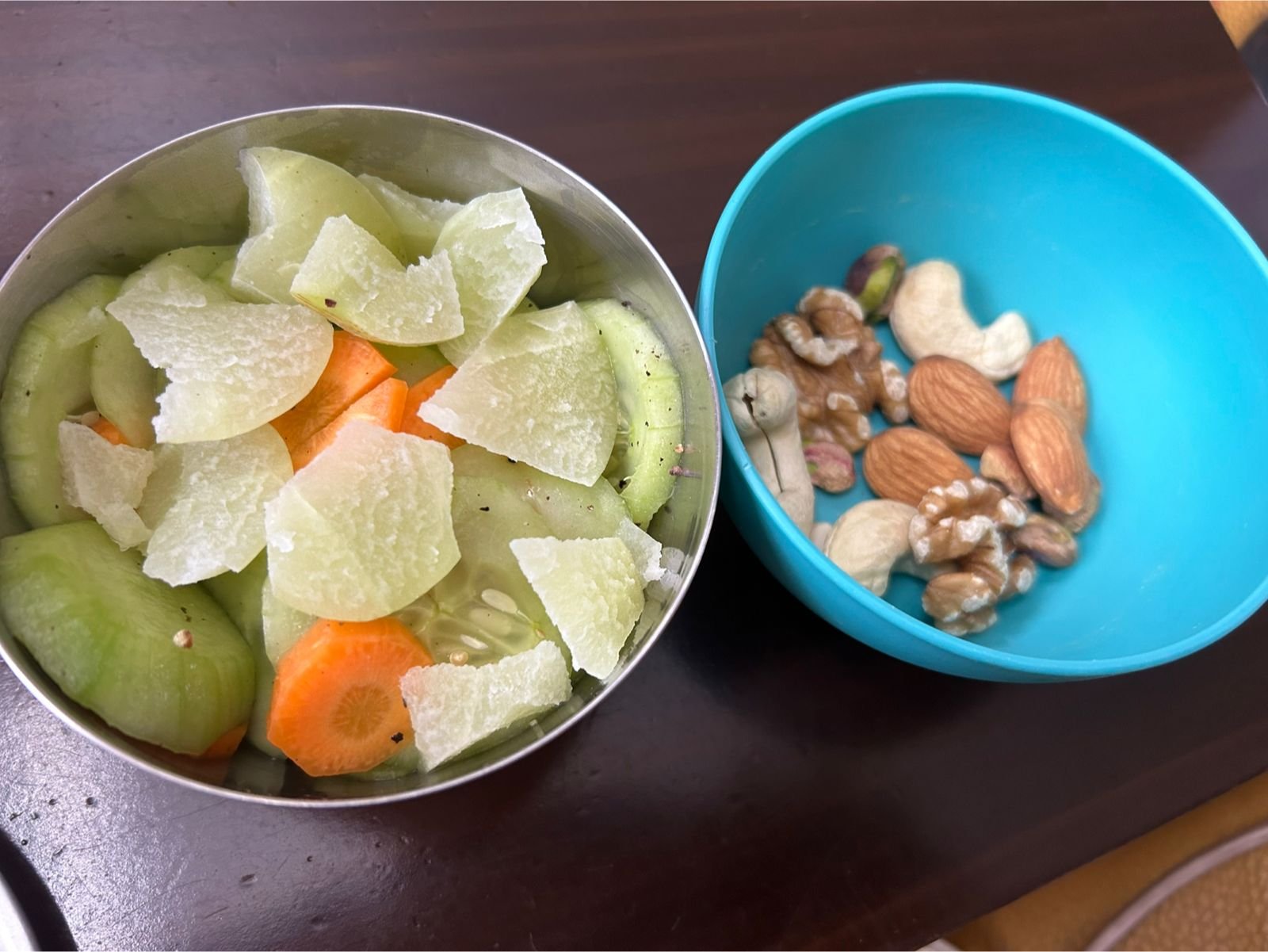
A small selection of the meals through this journey. Familiar, traditional, balanced, not restrictive.
The Walking, Step by Step
Then came the exercise routine, which was another challenge mentally for me.
At that stage, I had already started restricting myself physically because of my knee pain and fear around movement. I had convinced myself that my body may not be capable of doing much anymore.
Initially, even mild walking felt difficult for me.
But instead of forcing intense exercise, a very gradual and manageable walking routine was introduced. At first, I did not think much of it. But slowly, walking became part of my daily life.
From not even having the habit of walking regularly, I slowly moved from barely walking 1,000 steps to reaching nearly 2,500 steps, and gradually progressed towards walking almost 4,500 steps. Reaching close to 5,000 steps now itself feels like one of the greatest achievements for me.
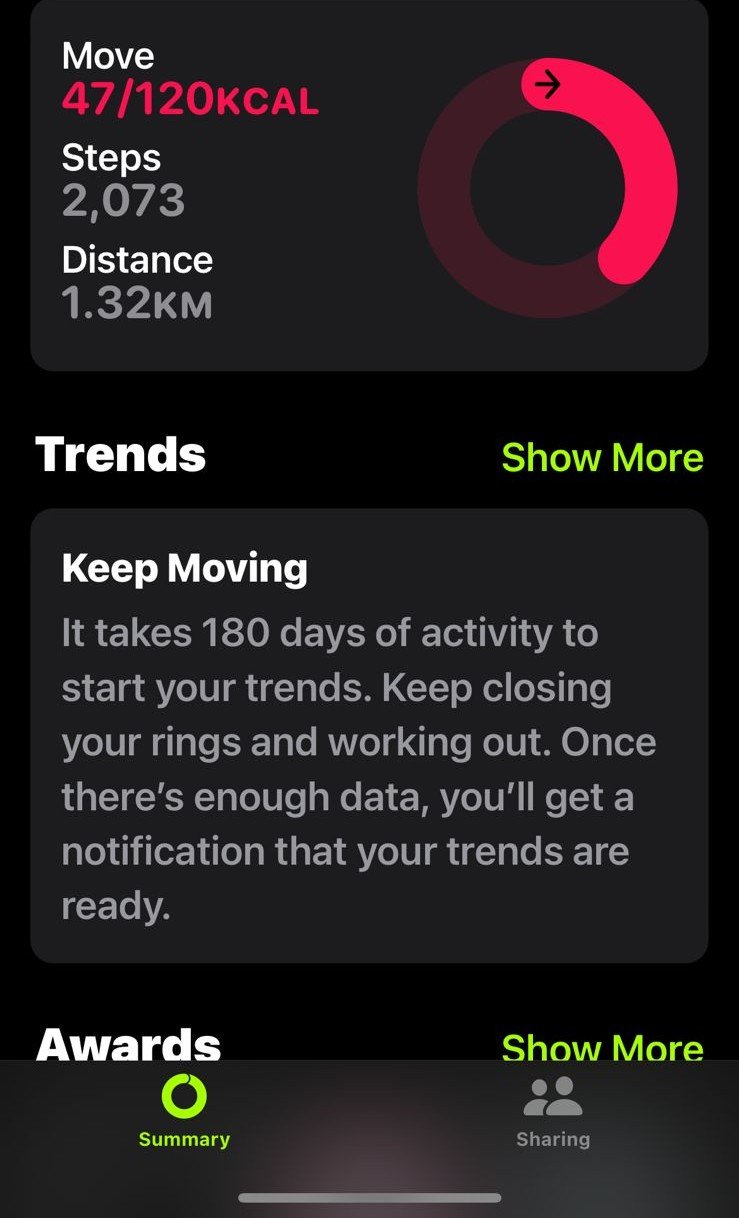
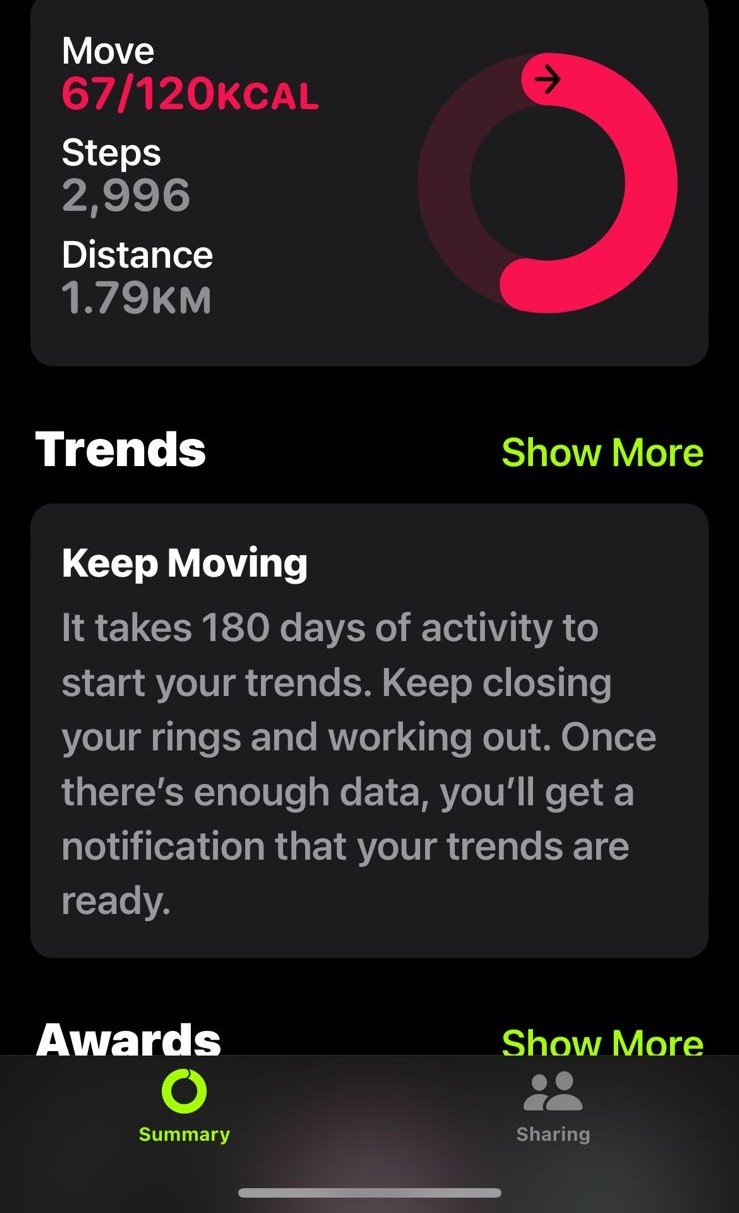
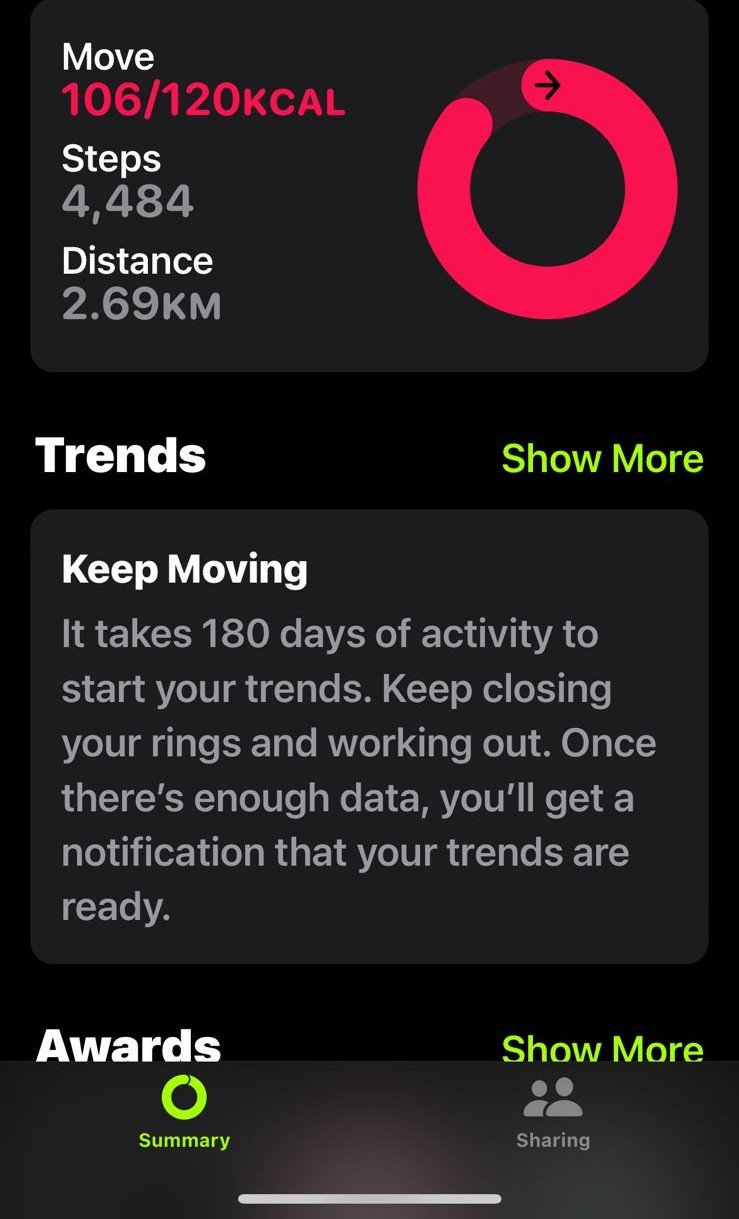
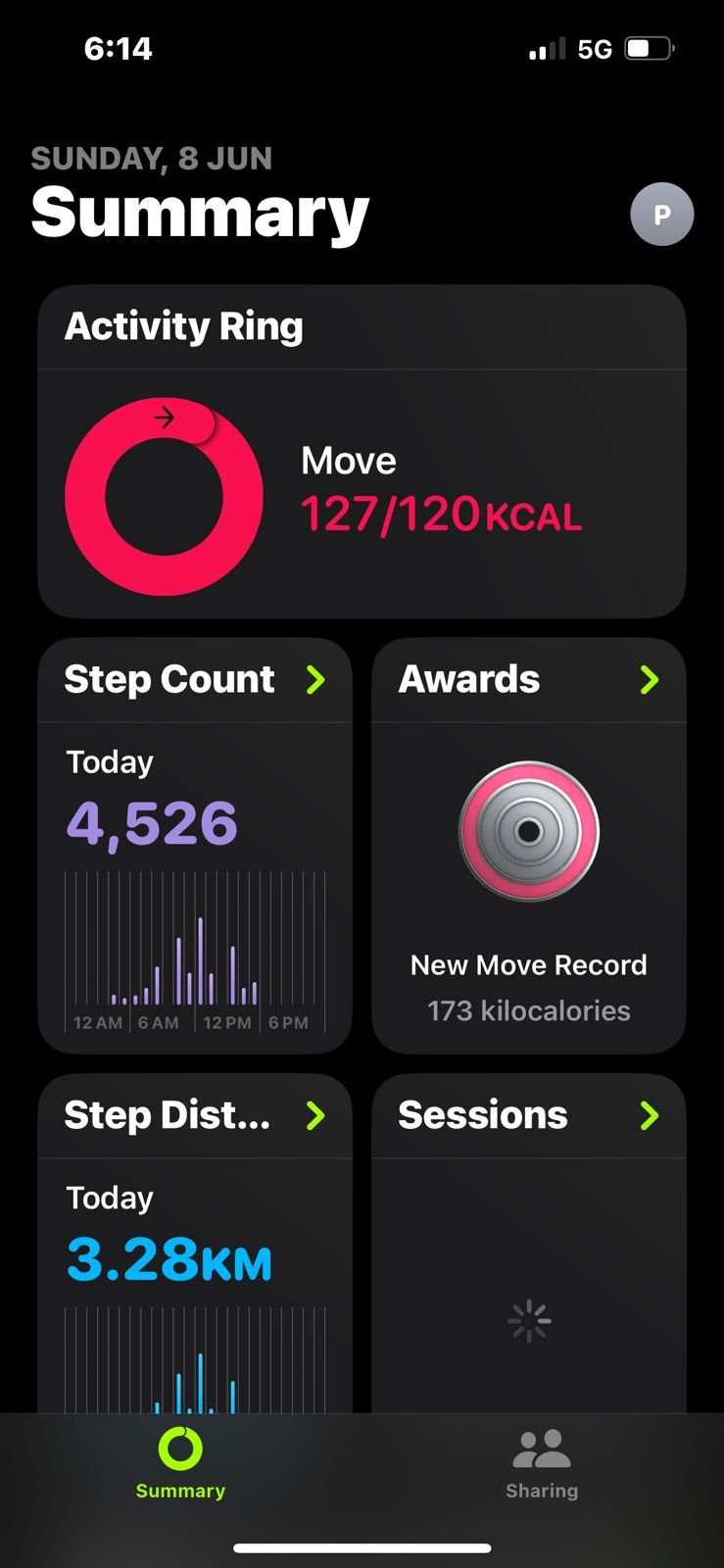
The progression, in screenshots, from barely 2,000 steps a day to a “New Move Record” notification on my phone. That little notification felt very emotional for me.
My knee pain was still there, but along with walking, quality exercises specifically selected for my condition and knee support were also provided carefully. Because of that, I slowly started feeling more strength, stability, and ease in my body movements. Walking eventually became a very important part of my routine.
I actually started to become excited to share my step counts in the group. Reaching 5,000 steps itself felt highly motivating for me, because I had never imagined I would become this active again.
What Began to Change
Along the way, I also started noticing many small changes within myself.
- My body began feeling lighter, my inflammation and heaviness slowly reduced, and even my leg pain started settling gradually. Earlier, my legs used to constantly feel heavy and painful, but over time I started feeling much lighter while moving around.
- Even my previously elevated BP levels gradually started showing significant improvement. The readings slowly started reducing over time, eventually reaching much better and more stable ranges.
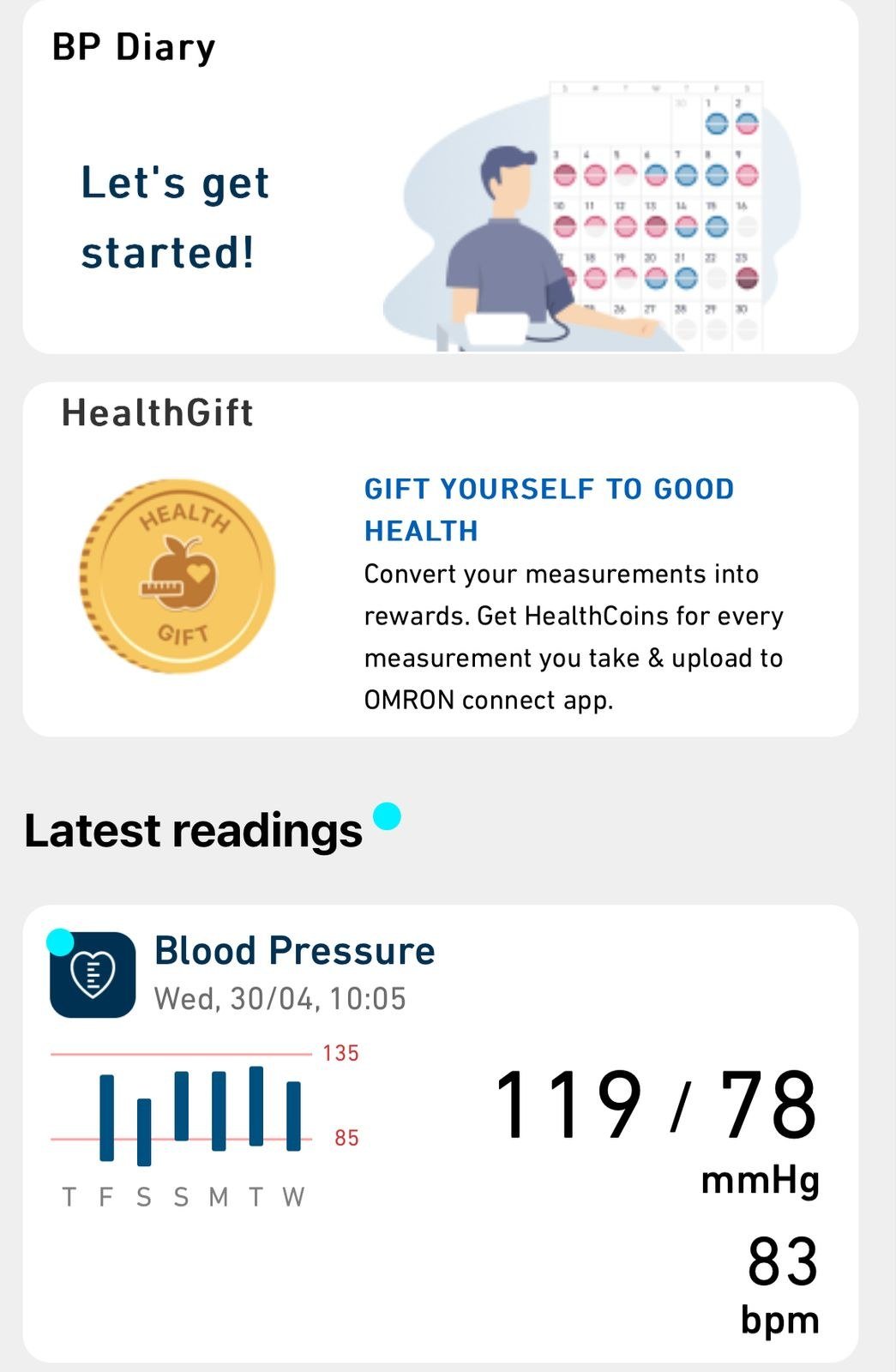
A recent BP reading from the Withings/Omron app. A long way from the 167 systolic reading I had earlier.
The Trip That Changed How I Saw Myself
And somewhere during this phase, another beautiful thing happened.
My daughters and I were planning for an international Europe trip.
Honestly, before this journey, even the thought of walking continuously during travel or stepping outside for any small work used to scare me. I would immediately think about my knee pain, tiredness, and whether my body would cooperate.
But this lifestyle and holistic approach slowly became preparation for that trip without me even realising it. And when the trip finally happened, something inside me changed completely.
I walked nearly 16,000 steps during the trip. I explored places like Rome and the Colosseum with my daughters. I could walk, spend time with them, enjoy the experience fully, and create memories without constantly worrying about my body slowing me down.
And honestly, one fear I always carried within me was that I should not become a burden to my daughters during the trip because of my health or physical limitations. But during that journey, I felt happy that I could move around independently, walk along with them, and genuinely enjoy the trip with confidence.
That trip gave me such a huge emotional boost. More than weight loss, it gave me confidence.
And the most surprising part was this, after coming back from the trip, I did not feel like “getting back” to a strict routine again. Because this routine had already become part of my life naturally. I did not feel like I was forcing myself anymore. My body had gradually adapted to these changes in a way that felt manageable and realistic.
Are You in a Similar Place?
If you are in your 50s or 60s, navigating menopause alongside chronic pain, rising BP, low energy, or just the feeling of “I have stopped feeling like myself”, you are not alone, and you are not out of options.
What I Gained, More Than Numbers
And throughout this journey, Fertilia slowly became much more than just a program for me.
The team genuinely felt warm, approachable, and supportive. At many points, they did not feel like just a professional team to me, they felt more like my daughters or close friends who were patiently guiding me throughout this phase.
I never felt judged for my age, my health condition, my fears, or my struggles. Every small doubt was addressed patiently, and somewhere that emotional comfort mattered so much to me.
At this stage of life, I think what I gained is much bigger than just physical changes:
- I gained confidence again.
- I gained peace within myself.
- I gained the feeling that I can still take care of myself properly, even at this age.
Earlier, because of my health issues and physical discomfort, I had slowly lost confidence in my own body. But now, I feel much more capable, active, independent, and mentally peaceful than before.
And honestly, that feeling is very emotional for me. Because now, I do not feel like I have to depend too much on others for every small thing. I feel happy knowing that I can take care of myself better and continue living this phase of life more actively and confidently.
Today, I genuinely feel grateful for this phase. I am travelling, walking, taking care of myself better, and enjoying my older years with much more happiness and confidence than before. And for that, I will always be thankful to Fertilia for helping me slowly find myself again.
What My Daughter Wrote on Google
A few months into the program, my daughter left a review on Google about what she had been watching happen at home. She wrote it as a daughter, not as me. I am including it here because seeing her words back, after the fact, was an emotional moment for me too.
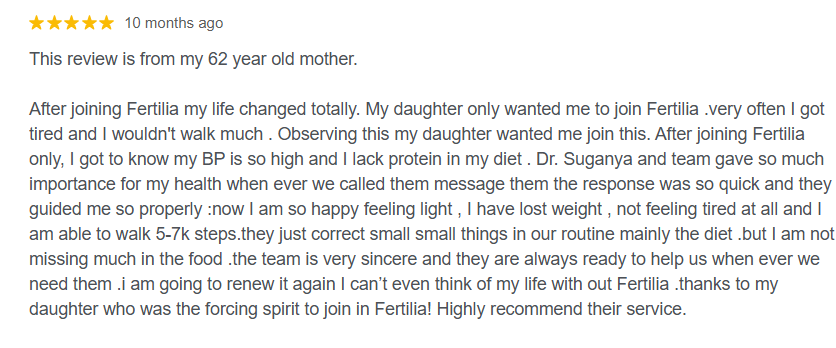
She called herself “the forcing spirit.” I will never let her forget that.
A Note from Dr. Suganya
When we started Fertilia, we were only taking care of the health of younger women with hormonal issues like PCOS and fertility. Sathyadevi was referred to us by a friend of mine, and she was our oldest client at that time, almost a year back.
We were very happy to support her, understand her unique needs, and walk with her through what she has described above. She was one of our main inspirations for starting Menolia, because we believe women need support through all phases of their life.
The perimenopausal and menopausal phase is one of the longest phases women spend in their lives, and they need support during this phase the most. And hence, the birth of Menolia.
, Dr. Suganya Venkat
Frequently Asked Questions
Is it too late to start a structured health program at 62?
No. The body remains responsive to good nutrition, gentle movement, and targeted support well into the 60s, 70s and beyond. What changes with age is the kind of plan that works, gentle, gradual, and age-appropriate, rather than intense or restrictive. Sathyadevi’s BP, energy, mobility and inflammation all improved on a plan that was specifically designed for her age and joint condition. The risk at this age is not trying because you assume it is too late. The biology says otherwise.
Can high blood pressure improve through lifestyle changes alone, or do I need to stay on medication forever?
Many women in their 50s and 60s see meaningful BP improvement through structured weight loss, better sleep, reduced inflammation, more potassium-rich foods and consistent walking. Whether you can reduce or come off medication is a clinical decision that only your treating doctor can make, based on your readings, your other risk factors and your overall picture. Never stop or reduce BP medication on your own. The honest framing is: a structured plan often makes the prescribed medicine more effective and may, over time, allow your doctor to consider lowering the dose. That is a conversation to have with your doctor, not around them.
I have knee pain and arthritis, won’t walking make it worse?
This is one of the most common worries we hear, and it is the opposite of what usually happens. Inactivity tends to worsen knee pain because the surrounding muscles weaken, joints stiffen, and weight creeps up, all of which load the knee further. Gentle, progressive walking, paired with targeted strengthening exercises selected for your specific condition, generally reduces joint pain over time. The key is “progressive”, starting where your body is, not where a fitness chart says it should be. Sathyadevi started below 1,000 steps. The progression to 5,000+ took months, not weeks. More on menopause and joint pain here.
What does “elevated ESR” mean and is it dangerous?
ESR, Erythrocyte Sedimentation Rate, is a non-specific marker of inflammation in the body. It rises when there is active inflammation somewhere, but it doesn’t tell you where or why. A persistently elevated ESR (Sathyadevi’s was 85, well above the under-30 reference for her age) is a signal that something inflammatory is going on, it could be arthritis, an allergic process, untreated infection, or other systemic inflammation. The right response is to have it investigated by your doctor and, alongside that medical workup, address the lifestyle drivers of inflammation: weight, sleep, diet quality, processed-food load, and movement. ESR responds gradually to these changes, not overnight.
Why did the program focus so much on protein, and is paneer really enough as a vegetarian?
Protein need does not go down with age, if anything, it goes up. Older adults need more protein per kilogram of body weight than younger ones, partly to protect against age-related muscle loss (sarcopenia), and partly to support immune function and recovery. Indian vegetarian diets often run low on protein because the typical plate is dominated by rice, roti and a small dal. Adding paneer, curd, eggs (if you take them), pulses in larger quantities, and using millets and whole grains shifts that ratio meaningfully. Paneer alone is not the answer, adequate, distributed protein across all meals is. Worrying that protein “will increase weight” is a common misconception; in older women it usually does the opposite, by preserving muscle and improving satiety.
What kind of women does Menolia work with?
Women anywhere in the perimenopause-to-postmenopause arc, typically late 30s through 60s and beyond. We see women just starting to notice cycle changes, women in the thick of hot flashes and sleep disruption, postmenopausal women managing weight, BP, cholesterol or joint changes, and older women like Sathyadevi who want to reclaim mobility, energy, and confidence. Every plan is age-appropriate and built around your specific picture, including any chronic conditions you are already managing under specialist care.
Does Menolia replace my regular doctor?
No, and we never recommend it should. Your gynaecologist, your physician, your rheumatologist, your cardiologist, whoever is treating an existing condition continues to do so. Menolia adds the lifestyle layer: nutrition, age-appropriate movement, targeted supplementation, sleep, and structured behaviour change. Think of it as a complement to your medical care, not a substitute. Read Lalitha’s story for another example of this layered approach.
Every Story Starts with a Conversation
Whether you are in your 40s, 50s, 60s, or beyond, whether you are navigating early perimenopause or have been postmenopausal for years, Dr. Suganya and the Menolia team are here to understand your unique picture and walk with you.
Related Reading
- Real Stories from Menolia, Lalitha’s case study and other patient journeys
- Menopause Joint Pain: Why It Happens After 40
- Menopause Cholesterol: Why Your Numbers Changed
- Menopause Body Aches & Muscle Pain
- Menopause Weight Gain: What Actually Works
- Exercise During Menopause: What Actually Helps
This is part of Menolia’s “My Journey” series, where past patients share their experiences in their own words. Every story is real, verified, and published with the patient’s and family’s explicit consent. Names are changed to protect privacy.
If you have worked with us and would like to share your own journey, reach out on WhatsApp. We would love to hear from you.