She was 46 and had never had heartburn in her life.
Then, in the space of six months, she was reaching for antacids three times a week after dinner. It started on a Sunday after a family meal, a full plate of biryani with extra mirchi. She put it down to the spice. Then it happened after plain rice and sambar. By the time she came to see me, she had given up her evening chai, started sleeping with an extra pillow, and was beginning to worry she had developed some kind of ulcer.
What she had not connected, and what no one had pointed out to her, was that she had also turned 46.
New heartburn or worsening reflux during the perimenopause years is more common than most women realise. The gut has hormone receptors throughout. The muscular valve between the stomach and oesophagus responds to oestrogen and progesterone. When those hormones begin to shift, the digestive system shifts with them.
This post explains why that happens, what makes it worse in the Indian context, what symptoms need a doctor’s attention, and what practical steps help most women feel better.
How Hormones Affect the Digestive Valve
The structure that keeps stomach acid where it belongs is called the lower oesophageal sphincter, or LOS. It is a ring of muscle at the junction between the oesophagus and the stomach. When it works well, it opens to let food pass down, then closes to prevent acid from travelling back up. When it loses tone, acid slips through more easily.
Both oestrogen and progesterone affect this valve, and that connection has been observed across a woman’s reproductive life. Pregnancy is the clearest example. Progesterone rises sharply in pregnancy to prevent uterine contractions, but that same smooth-muscle-relaxing effect also relaxes the LOS, which is why heartburn is extremely common in the third trimester. The mechanism is the same valve, the same hormone.
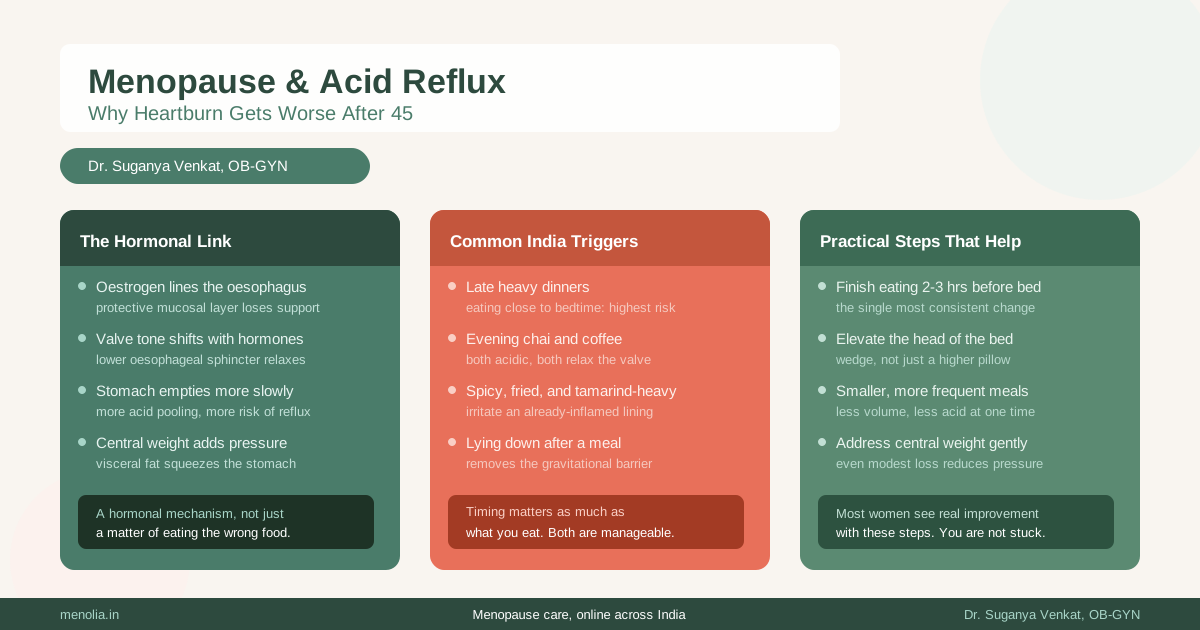
In perimenopause, the pattern is different but the gut is still responding. Oestrogen has protective effects on the lining of the oesophagus. It supports the mucosal layer that buffers contact with gastric acid. As oestrogen declines and fluctuates, that buffer becomes less reliable. Progesterone also fluctuates significantly in the perimenopause years, sometimes dropping sharply in cycles where ovulation did not happen well, which can affect how consistently the LOS maintains its tone.
Gastric emptying, the rate at which the stomach moves its contents forward into the small intestine, also slows somewhat as hormones shift. When food stays in the stomach longer, there is more acid pooling, and more opportunity for that acid to find its way upward through a slightly weaker valve.
None of this is dramatic pathology. It is a functional change in a system that was calibrated to work with a particular hormonal environment. When that environment changes, the system adjusts, and acid reflux is one of the ways that adjustment is felt.
The Weight Shift and Intra-Abdominal Pressure
The perimenopause metabolic shift does something specific to where fat is stored. Many women notice that weight that previously settled on the hips and thighs begins to move to the abdomen instead. This is central or visceral fat, and it sits inside the abdominal cavity, around the organs, not just under the skin.
This matters for reflux because visceral fat increases intra-abdominal pressure. It physically squeezes the stomach. That added pressure pushes the stomach’s contents upward with greater force against the LOS. When the valve is already slightly relaxed due to hormonal changes, the combination of increased upward pressure and reduced valve tone creates the ideal conditions for frequent reflux.
A 2005 meta-analysis published in Annals of Internal Medicine (Hampel et al., PMID 16061918) found a clear association between abdominal obesity and both the presence of GERD symptoms and complications including erosive oesophagitis. The effect is dose-dependent: more central weight correlates with more severe symptoms.
This is not about blame or body shame. It is about understanding a mechanism. The metabolic changes of perimenopause are well-documented and real, and one of their downstream effects, via abdominal weight gain, is an increase in reflux symptoms. Managing central weight, where that is possible through sustainable means, is one of the most effective structural interventions for acid reflux in this age group.
For more on what happens to blood sugar and metabolic risk during this transition, the menopause and blood sugar guide covers that territory in depth.
The Cortisol Connection
Perimenopause is, for many women, a time of elevated stress. Hot flashes interrupt sleep. Sleep deprivation elevates cortisol. Cortisol, the body’s primary stress hormone, has direct effects on the digestive system.
Elevated cortisol increases gastric acid secretion. It also impairs the integrity of the mucosa lining the oesophagus, reducing the stomach’s and oesophagus’s ability to buffer against their own acid. Women who are managing broken sleep, the demands of caregiving (often peak during the 45-55 age group), and work alongside their perimenopausal symptoms often find their reflux is worst on the hardest weeks, not just the spiciest ones.
The cortisol-gut connection also works through the gut-brain axis. The gut is densely innervated with the same autonomic nervous system that responds to stress. When the stress response is chronically activated, gut motility changes and the mucosal barrier weakens. This is why reflux often feels worse during periods of sustained pressure, independent of diet.
The menopause and cortisol guide covers the full HPA axis picture and what actually works to bring cortisol into a more manageable range.
India-Specific Triggers Worth Knowing
In the Indian context, there are a handful of habits and foods that interact particularly strongly with the hormonal changes described above.
Timing of the main meal. In many Indian households, the largest meal of the day is dinner, eaten relatively late, between 8 and 10 PM. Lying down within two to three hours of a large meal, especially with a weakened LOS, means stomach acid has gravitational assistance to travel upward. This is a structural trigger that matters more after 45 than it did at 35.
Chai and coffee. Both are acidic and both have been shown to relax the lower oesophageal sphincter. A morning chai is usually fine for most women. The evening chai, or the post-dinner cup that has become a habit, often lands right in the highest-risk window.
Spicy and fried food. South Indian cuisine is built on tamarind, chilli, and deep frying, all of which are direct irritants to an inflamed oesophageal lining. Sambar, rasam, pickles, and fried snacks do not cause acid reflux on their own, but they significantly worsen symptoms when the underlying conditions are already present.
Lying down after meals. The post-meal rest is culturally common, particularly after lunch. Lying flat removes the gravitational barrier that keeps acid in the stomach. Even a 20-minute horizontal rest after a full meal can trigger or extend a reflux episode.
Citrus and raw mango. Nimbu pani, kokum, raw mango in chutneys, and heavy tamarind bases in curries are all acidic. They are healthy foods with clear nutritional value, but for a woman managing active reflux, reducing the portion size or timing them to mid-meal rather than end-of-meal often makes a noticeable difference.
If you have been experiencing new or worsening heartburn and would like to understand whether your digestive symptoms are connected to your hormonal picture, I offer video consultations for women across India.
WhatsApp me to book a consultation (Rs 399 for a 30-minute video call)
Symptoms That Warrant a Doctor’s Attention
Most acid reflux linked to perimenopause is benign and responds well to lifestyle changes and, where needed, short-term antacid use. However, some symptoms alongside reflux suggest something that needs investigation rather than management.
Dysphagia. Difficulty swallowing, whether it feels like food is sticking in the chest, or you are having to eat more slowly and carefully, is a symptom that should not be attributed to acid reflux without an assessment. It can indicate a stricture in the oesophagus or, in some cases, needs further evaluation.
Unexplained weight loss. If you are losing weight without intending to alongside new digestive symptoms, that combination needs investigation.
Iron-deficiency anaemia alongside reflux. Recurrent acid reflux can, over time, cause small amounts of bleeding from the oesophageal lining. If you have been found to have low iron or haemoglobin alongside persistent reflux, the two may be connected and deserve a look.
Blood in vomit or black, tarry stools. These are signs of bleeding in the upper gastrointestinal tract. They need immediate medical attention.
Persistent symptoms despite lifestyle changes and over-the-counter antacids. If your symptoms continue for more than four weeks despite adjusting meals and timing, it is worth speaking with your gynaecologist or gastroenterologist. In some cases, an endoscopy gives useful information and rules out conditions such as Barrett’s oesophagus, which is an adaptation of the oesophageal lining that develops in some people with longstanding reflux.
The message here is not to create worry. The vast majority of women in this age group who develop new heartburn have straightforward reflux that improves with the steps below. The list above is about knowing which symptoms are the exception, so you do not ignore something that genuinely needs attention.
What Practically Helps
Adjust meal timing before adjusting meal content. The single most effective shift for most women is finishing the last meal of the day two to three hours before bed. This is harder to implement than changing a food, but it has a more consistent effect. Sleeping with a full stomach is a mechanical trigger that no amount of dietary adjustment fully compensates for.
Elevate the head of the bed. Not just adding a pillow, which mainly bends the neck rather than changing the angle of the torso. A bed wedge, or raising the head end of the bed by 15 to 20 centimetres using blocks or a firm wedge cushion, uses gravity to keep acid in the stomach overnight. Women with frequent nocturnal reflux, waking with a burning sensation or a cough in the night, often find this makes the most difference.
Eat smaller, more frequent meals. A distended stomach has more pressure and more acid. Splitting the same daily food intake into four or five smaller meals rather than two or three large ones reduces the volume of acid in the stomach at any one time.
Identify and moderate your personal triggers. The foods listed above are common triggers, but reflux is individual. A food diary over two weeks, noting what you ate and when symptoms occurred, often identifies a specific pattern. Modify the highest-impact triggers first rather than eliminating everything at once.
Address central weight sustainably. Even a modest reduction in abdominal circumference reduces intra-abdominal pressure. This does not mean a crash diet. It means the kind of sustainable dietary and movement changes described in the perimenopause weight guide that work with the hormonal context rather than against it.
Manage stress through the week, not just on weekends. Daily practices, whether that is a 20-minute walk, a brief pranayama session before bed, or simply protecting 30 minutes of genuinely low-demand time each day, reduce cortisol throughout the week and protect the gut-brain axis from the chronic stress response that worsens reflux.
Medical options when lifestyle changes are not enough. Over-the-counter antacids provide short-term relief but are not designed for daily long-term use. If symptoms are frequent and persistent, your doctor may recommend a short course of an H2 blocker or a proton pump inhibitor (PPI), which reduces gastric acid production. These are effective, but the decision to use them and for how long is a conversation with your prescribing doctor, who will assess whether further investigation is needed alongside treatment.
Bloating and reflux are distinct symptoms, but women often experience both during perimenopause. The menopause bloating guide explains why gas and distension are also common in this phase, and what helps each specifically.
Frequently Asked Questions
Is heartburn a recognised menopause symptom?
Yes. While hot flashes and mood changes are the most widely recognised, changes in the digestive system are common during perimenopause and menopause. The oesophagus and stomach have oestrogen and progesterone receptors, so the hormonal shifts of this phase can affect how efficiently the lower oesophageal sphincter works, how quickly the stomach empties, and how well the oesophageal lining tolerates acid contact. Many women develop new or worsening reflux in their mid-40s with no dietary change to explain it.
Can low oestrogen cause acid reflux directly?
Low and fluctuating oestrogen is one contributing factor, not the only one. Oestrogen has protective effects on the oesophageal mucosa and plays a role in gastrointestinal motility. When oestrogen declines, those effects reduce. At the same time, central weight gain (driven by the same hormonal shift) independently increases intra-abdominal pressure. The two effects work together in the same direction. Most women with perimenopausal reflux are experiencing both.
Does HRT help with menopause-related heartburn?
The evidence is mixed. Some studies suggest that oestrogen therapy may reduce GERD symptoms in postmenopausal women through its mucosal protective effects. Other studies have found that progesterone in combined HRT can relax the lower oesophageal sphincter and worsen reflux in some women. Whether HRT helps or worsens your reflux depends on the formulation, the dose, and your individual response. If you are already on HRT and have developed reflux, it is worth mentioning to your prescribing doctor. If you are considering HRT for other menopausal symptoms, your doctor will weigh the full picture.
What foods should I avoid if I have GERD during menopause?
The highest-impact triggers for most women in the Indian context are: heavy evening meals eaten late at night, chai and coffee in the evening, fried and spicy food in large portions, lying down immediately after any meal, and foods high in tamarind, chilli, and citrus taken at the end of a meal. Rather than eliminating all of these at once, a food diary for two weeks helps identify which triggers are most significant for you individually.
Why is my heartburn worse at night?
Nocturnal reflux is common and has a mechanical explanation. During the day, the upright position means gravity helps keep stomach contents down. Lying flat removes that gravitational barrier. If you also eat the main meal close to bedtime, which is common in many Indian households, the stomach is still full and actively secreting acid when you lie down. Finishing dinner two to three hours before bed, and elevating the head of the bed by 15 to 20 centimetres, are the two interventions that most consistently reduce night-time heartburn.
What is the difference between menopause bloating and acid reflux?
They are distinct symptoms that can occur together. Bloating is a sensation of fullness, tightness, or distension in the abdomen, often accompanied by excess gas. It is driven by changes in gut motility and the gut microbiome related to oestrogen decline, as well as by swallowed air and fermentation of certain carbohydrates. Acid reflux is a burning sensation in the chest or throat caused by stomach acid travelling upward through the lower oesophageal sphincter. The menopause bloating guide covers why both often appear in the same phase and what helps each.
When should I see a doctor about heartburn in menopause?
See your doctor if any of the following apply: difficulty swallowing or a sensation that food is sticking in the chest; unexplained weight loss alongside digestive symptoms; iron-deficiency anaemia alongside reflux; blood in vomit or black, tarry stools; or symptoms that continue for more than four weeks despite lifestyle adjustments and over-the-counter antacids. For symptoms that are frequent but not accompanied by any of the above, a consultation with your gynaecologist can help identify whether the reflux is part of your overall menopausal picture and what the most useful next step is.
New heartburn in your mid-40s is worth understanding, not just managing with antacids and willpower. When you know the hormonal and structural mechanisms behind it, the steps that help make more sense, and you can work with your body rather than trying to guess at triggers in the dark.
If you would like to talk through your digestive symptoms as part of your overall perimenopause picture, I am available for video consultations across India.
WhatsApp me to book a consultation (Rs 399 for a 30-minute video call)