You searched for “menopause meaning in Malayalam” or typed “menopause nu Gujarati ma shu kahevaay” or looked up “menopause Punjabi meaning.” Your doctor used the English word, it felt borrowed, and you wanted it in the language you think in at home.
This post is for that search. Whether you are a woman in Kerala, Gujarat, or Punjab, or part of the diaspora in Canada, the UK, or the Gulf, the biology is the same. What changes is the vocabulary, and that matters more than it might seem. A word in your own language helps you describe the experience to your mother, your husband, your sister, and your doctor.
A note on how this vocabulary was put together: I am a Tamil-speaking gynaecologist, not a native speaker of any of these three languages. Every term below is taken from patient-information material published in that language (the Indian Menopause Society’s Malayalam leaflet on ārtava virāmam, the Gujarati Vishwakosh entry on rutunivritti kaal and Gujarati health portals, and the Punjabi-language menopause guides from the RCOG and Jean Hailes) or from standard dictionaries. Roman transliteration is given throughout, since that is the form most women type into a search box, with the native script alongside. Where a term is a plain description rather than a fixed idiom, I say so.
What this post covers
- Menopause meaning in Malayalam, Gujarati, and Punjabi, with pronunciation guides
- Everyday phrases used in each language community
- Symptom vocabulary across all three languages
- Why Indian women reach menopause at about 46 to 47 years, not 51
- Foods relevant to each regional kitchen that support the transition
- When to consult a doctor
Menopause meaning in Malayalam: Ārtava Virāmam
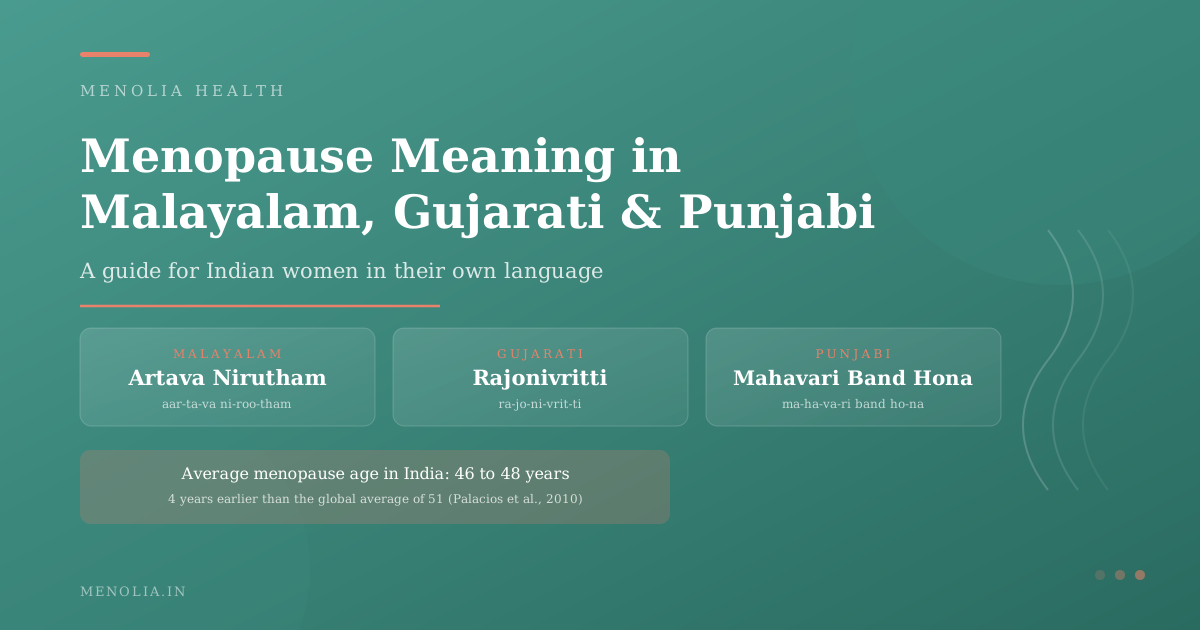
In Malayalam, the medical term for menopause is ārtava virāmam (ആർത്തവവിരാമം, pronounced: AAR-ta-va vi-RAA-mam). This is the form used in Malayalam health writing, in the Indian Menopause Society’s Malayalam patient leaflet, and in hospitals across Kerala. You may also see maasa virāmam (മാസവിരാമം) in Malayalam health articles, which carries the same meaning.
The word is built from Sanskrit roots that have been absorbed into Malayalam. “Ārtavam” (ആർത്തവം) is the menstrual period. “Virāmam” means a stop or a pause. Together, ārtava virāmam describes the cessation of menstruation.
In everyday Malayalam, the period itself is usually called maasamura (മാസമുറ), literally the monthly turn. The verb Malayalam uses for the periods coming to an end is nilakkuka (നിലയ്ക്കുക), to cease. So:
- Ārtavam nilachu (ആർത്തവം നിലച്ചു): the periods have stopped. This is the phrase you will see in Malayalam health writing and hear in a Kerala consulting room.
- Maasamura nilachu (മാസമുറ നിലച്ചു): the same sentence in everyday register.
If you are speaking to a doctor in Kerala, “ente ārtavam nilachu” (എന്റെ ആർത്തവം നിലച്ചു, my periods have stopped) is enough, or simply describe your symptoms and ask whether this is ārtava virāmam. Most doctors will immediately understand the context.
A practical note for Malayali women in the diaspora: the same Sanskrit root “ārtava” is shared with Hindi, Tamil, and Kannada medical vocabulary, so if your doctor in another state or country uses the Hindi or English word, you can find your way to the same meaning through that shared Sanskrit link.
Menopause meaning in Gujarati: Rajonivritti
In Gujarati, the term used in medical contexts is rajonivritti (રજોનિવૃત્તિ, pronounced: RA-jo-ni-VRIT-ti). Gujarati health writing defines it plainly as the permanent stopping of the monthly cycle (માસિક ચક્રનું કાયમી બંધ થવું). The Gujarati Vishwakosh, the standard Gujarati encyclopaedia, uses a sister term, rutunivritti kaal (ઋતુનિવૃત્તિકાળ), for the same stage of life.
The Sanskrit roots are shared with Hindi and Marathi. “Rajo” refers to the menstrual cycle. “Nivritti” means withdrawal or cessation. Gujarati draws heavily on Sanskrit for its medical vocabulary, so rajonivritti is understood in medical settings across Ahmedabad, Surat, Rajkot, and among Gujarati-speaking communities worldwide. Because the Hindi word is identical, our guide to menopause symptoms in Hindi will also read naturally to a Gujarati speaker.
In everyday Gujarati speech, the period is maasik (માસિક, literally monthly), and the phrases women use are built on it:
- Maasik bandh thavu (માસિક બંધ થવું): the periods stopping. This is the most common colloquial expression, and it is the one Gujarati health portals use to explain the English word.
- Maasik aavtu nathi (માસિક આવતું નથી): the period is not coming. A plain description rather than a fixed idiom, but it is how the experience is usually put to family.
- Rajonivritti itself is used when speaking more formally or in a clinic setting.
If you are seeing a doctor in Gujarat or through a Gujarati-speaking network, you can simply say “maarun maasik bandh thai gayun chhe” (મારું માસિક બંધ થઈ ગયું છે, my periods have stopped). Both the formal term and the colloquial phrase will be understood immediately. There is no wrong way to name this experience, as long as it gets said.
Menopause meaning in Punjabi: Mahavari Band Hona
In Punjabi, the most common way to refer to menopause is mahavari band hona (ਮਾਹਵਾਰੀ ਬੰਦ ਹੋਣਾ, pronounced: ma-HA-va-ri BAND HO-na). This is also the phrase the Punjabi-language patient leaflets from the RCOG (UK) and Jean Hailes (Australia) use, alongside the English loanword menopause (ਮੀਨੋਪੌਜ਼ or ਮੇਨੋਪੌਜ਼), which is widely used in Punjabi health writing in India and the diaspora.
“Mahavari” (ਮਾਹਵਾਰੀ) is the Punjabi word for the monthly menstrual period, shared with Hindi. “Band hona” (ਬੰਦ ਹੋਣਾ) means to stop or to become closed. Together, the phrase describes the stopping of the monthly cycle, which is what menopause is in plain terms.
In more formal or medical settings, Punjabi speakers may use rajonivritti, the same Sanskrit-rooted term as Hindi and Gujarati, though it is less commonly heard in everyday Punjab households than the colloquial “mahavari band hona.” Maasik dharam (ਮਾਸਿਕ ਧਰਮ) is a more formal word for menstruation that you will also see in written Punjabi.
If you are speaking to a doctor in Punjab, you can say “meri mahavari band ho gayi hai” (ਮੇਰੀ ਮਾਹਵਾਰੀ ਬੰਦ ਹੋ ਗਈ ਹੈ, my periods have stopped) or “meri mahavari aniyamit ho gayi hai” (ਮੇਰੀ ਮਾਹਵਾਰੀ ਅਨਿਯਮਿਤ ਹੋ ਗਈ ਹੈ, my periods have become irregular). Medical practitioners across Punjab and the diaspora will be familiar with both the Punjabi phrase and the English word menopause.
One thing I hear often in consultations, from women of every language background, is that the end of periods was treated at home as something that simply happens and does not need discussion. It does need discussion, because the transition brings changes to bone density, mood, sleep, and cardiovascular health that benefit from timely attention.
If you are noticing changes in your periods, sleep, mood, or energy and are not sure whether perimenopause is beginning, a conversation with an OB-GYN can give you clarity before the changes feel overwhelming.
Key symptom vocabulary across Malayalam, Gujarati, and Punjabi
Having the right word for a symptom helps you describe it accurately to a doctor or family member. The table below gives the conversational equivalents used in patient-information material in each language. They are plain descriptions rather than formal medical translations, and describing the symptom in your own words will always work just as well.
| Symptom | Malayalam | Gujarati | Punjabi |
|---|---|---|---|
| Hot flashes | Amithamaaya choodu thonnal (അമിതമായ ചൂട് തോന്നൽ) | Garmi na jhatka (ગરમીના ઝટકા) | Achaanak garmi mehsoos honi (ਅਚਾਨਕ ਗਰਮੀ ਮਹਿਸੂਸ ਹੋਣੀ) |
| Night sweats | Raathriyile viyarppu (രാത്രിയിലെ വിയർപ്പ്) | Raatre parsevo (રાત્રે પરસેવો) | Raat nu paseena aauna (ਰਾਤ ਨੂੰ ਪਸੀਨਾ ਆਉਣਾ) |
| Irregular periods | Kramarahithamaaya ārtavam (ക്രമരഹിതമായ ആർത്തവം) | Aniyamit maasik (અનિયમિત માસિક) | Mahavari da aniyamit hona (ਮਾਹਵਾਰੀ ਦਾ ਅਨਿਯਮਿਤ ਹੋਣਾ) |
| Mood changes | Maanasikaavasthayile maattangal (മാനസികാവസ്ഥയിലെ മാറ്റങ്ങൾ) | Mood ma pherphaar (મૂડમાં ફેરફાર) | Mood vich badlaa (ਮੂਡ ਵਿੱਚ ਬਦਲਾਅ) |
| Sleep problems | Urakkamillaayma (ഉറക്കമില്ലായ്മ) | Oongh ma khalel (ઊંઘમાં ખલેલ) | Neend na aauni (ਨੀਂਦ ਨਾ ਆਉਣੀ) |
| Joint pain | Sandhi vedana (സന്ധിവേദന) | Saandha no dukhaavo (સાંધાનો દુખાવો) | Joraan vich dard (ਜੋੜਾਂ ਵਿੱਚ ਦਰਦ) |
| Fatigue | Ksheenam (ക്ഷീണം) | Thaak (થાક) | Thakaavat (ਥਕਾਵਟ) |
A note on regional variation: Malayalam, Gujarati, and Punjabi each have regional dialects and community-specific phrases. The words above are the ones used in health writing in each language, which is what a doctor is most likely to recognise. If a word feels unfamiliar, describing the experience plainly in your language will always communicate the intent. Some women also notice the opposite of a hot flash, a sudden chill; if that is you, our guide to menopause cold flashes explains why it happens.
Why Indian women reach menopause at about 46 to 47 years, not 51
The figure most commonly cited in health articles and textbooks is 51 years as the average age of menopause. That number comes primarily from studies conducted in Western populations.
For Indian women, the picture is different. A systematic review of age at menopause by geographical region (Palacios et al., Climacteric, 2010, PMID 20690868) found median ages in Asia ranging from 42.1 to 49.5 years, against 50.1 to 52.8 in Europe and 50.5 to 51.4 in North America. For India specifically, the Indian Menopause Society’s pan-India survey across 21 of its chapters put the average age of natural menopause at 46.2 years (Ahuja, Journal of Mid-life Health, 2016, PMID 27721640), and a 2021 systematic review of Indian house-to-house surveys estimated 46.6 years, with individual studies ranging from about 44.7 to 49 (Prasad et al., Diabetes & Metabolic Syndrome, 2021, PMID 33524647).
This means a woman in Kerala, Gujarat, or Punjab in her mid-to-late forties may already be in the menopausal transition at an age when she assumes she is “too young” for it. Family members may say the same, and she may delay seeking care as a result. In my consultations, the most common opening line from a woman in her mid-forties is not the word menopause at all. It is “my periods have gone irregular and I am not sleeping,” usually followed by “but I am only 45.” What I say back is that 45 is squarely inside the Indian average, that what she is describing is the transition and not a fault in her body, and that the sleep is usually the first thing we can improve.
Several factors are associated with the timing of menopause:
Socioeconomic and nutritional circumstances. Both the regional review and the IMS survey found that women of poorer socioeconomic status reach menopause earlier, and the IMS survey also saw a clear rural and urban divide. The likely link is lifelong nutrition, though the studies describe an association, not a mechanism.
Parity. Having had children is associated with slightly later menopause. In a pooled analysis of more than 51,000 women from nine observational studies in the UK, Scandinavia, Australia, and Japan, women who had never given birth had a higher risk of premature and early menopause than women with two or more children (Mishra et al., Human Reproduction, 2017, PMID 28119483). Parity was also one of the correlates in the IMS survey.
Genetic factors. The timing of menopause has a significant heritable component. If your mother went through it in her mid-forties, your own timing is likely to be similar.
The practical implication is clear. If you are a woman in your mid-to-late forties in Kerala, Gujarat, or Punjab, and you are noticing irregular periods, disrupted sleep, hot flashes, mood changes, or joint pain, perimenopause is a genuine and plausible explanation. You are not too young, and symptoms that feel disruptive deserve a proper evaluation.
For a fuller explanation of the stages, you may find our guide on what is menopause and what to expect useful as a starting point. And if you want to understand the hormonal mechanism behind many of these changes, our post on low oestrogen symptoms explains what happens as oestrogen levels fall.
Regional foods that support the transition
The following foods are present in everyday cooking across Kerala, Gujarat, and Punjab in different forms. They support bone density and overall nutrition during the menopausal transition. Calcium is the nutrient to keep an eye on, because calcium intake is often low in typical Indian diets and bone loss accelerates in the years after menopause.
Ragi (finger millet): Called muthari or koovaragu in Malayalam and nagli or bavto in Gujarati. Ragi is not a traditional Punjabi staple; bajra and makki fill that role in Punjab. One of the highest plant-based calcium sources at 364 mg per 100 g (ICMR-NIN Indian Food Composition Tables, 2017). Kerala preparations: ragi kanji (a thin porridge), ragi puttu. Gujarati preparations: nagli rotla, or ragi flour added to thepla.
Til (sesame seeds): Called ellu in Malayalam, tal in Gujarati, and til in Punjabi. Sesame seeds are rich in calcium and lignans, plant compounds with weak oestrogen-like activity. Kerala: ellu chammanthi (sesame chutney). Gujarat: tal sankli and chikki made at Uttarayan. Punjab: til revdi and til pinni at Lohri.
Chana (chickpeas): Called kadala in Malayalam (as in kadala curry, a Kerala breakfast staple), chana in Gujarati (chana dal in everyday dal and farsan), and chole in Punjabi (the base of chole bhature). Chickpeas provide plant protein and fibre. Including a portion of chana, rajma, or other dal several times a week is practical across all three kitchens; rajma chawal is the Punjabi version, and Gujarati kitchens use rajma in dal and in mixed-bean preparations.
Dahi (curd): Called thairu or moru (buttermilk) in Malayalam, dahin in Gujarati, and dahi in Punjabi. Good for the gut microbiome and provides calcium. One katori (small bowl) of plain curd daily is a practical target.
Haldi (turmeric): Called manjal in Malayalam, haldar in Gujarati, and haldi in Punjabi. Long used in Indian kitchens for its anti-inflammatory reputation, though the trial evidence in menopause specifically is thin. Already present in everyday cooking across all three regions.
Moringa (drumstick leaves): Called muringa ila in Malayalam, saragvo in Gujarati, and sohanjana in Punjabi. Drumstick leaves are among the richer leafy sources of calcium in the Indian food tables. Kerala uses the leaves in thoran and the pods in sambar; Gujarat uses the pod in dal; Punjab uses it less, though sohanjana saag is gaining familiarity.
If you want a structured approach to eating during the menopausal transition, our perimenopause diet guide for Indian women covers the principles in detail.
When to see a doctor
Certain symptoms during the menopausal transition benefit from evaluation rather than a wait-and-see approach:
- Any return of bleeding after 12 or more consecutive months without a period
- Hot flashes or night sweats severe enough to disrupt sleep regularly
- Mood changes that feel unmanageable or are affecting your daily life
- Significant joint pain or unexplained bone pain
- Symptoms beginning before age 40
These are not reasons for alarm. They are reasons for a conversation with someone who can evaluate what is happening and give you a clear picture.
Book a video call with Dr. Suganya Venkat. WhatsApp +91 99402 70499 to get started.
Frequently asked questions
What is the Malayalam word for menopause? The medical term is ārtava virāmam (ആർത്തവവിരാമം), the cessation of menstruation. In everyday Malayalam, “ārtavam nilachu” or “maasamura nilachu” (the periods have stopped) says the same thing.
What do Gujarati speakers call menopause? The formal medical term is rajonivritti (રજોનિવૃત્તિ). In everyday speech, “maasik bandh thavu” (માસિક બંધ થવું, the periods stopping) is the common phrase, and both will be understood by a doctor.
How do Punjabi women say menopause? “Mahavari band hona” (ਮਾਹਵਾਰੀ ਬੰਦ ਹੋਣਾ, periods stopping) is the everyday phrase and the one used in Punjabi patient leaflets. The English word menopause is also widely understood.
At what age does menopause happen for Indian women? On average at about 46 to 47 years. The Indian Menopause Society’s pan-India survey found 46.2 years (Ahuja, 2016, PMID 27721640) and a 2021 systematic review of Indian surveys found 46.6 years (Prasad et al., 2021, PMID 33524647). This is four to five years earlier than the figure of about 51 years quoted from Western studies. If you are in your mid-to-late forties and noticing cycle changes or other symptoms, speaking with an OB-GYN is worthwhile rather than assuming it is too early.
What is the perimenopause phase called in Malayalam, Gujarati, and Punjabi? There is no single everyday word for perimenopause in any of the three languages; health writing in all three tends to borrow the English word. Descriptively, it is “the time before the periods stop”: in Malayalam, ārtava virāmathinu munpulla kaalam (ആർത്തവവിരാമത്തിനു മുൻപുള്ള കാലം); in Gujarati, rajonivritti pehlaan no samay (રજોનિવૃત્તિ પહેલાંનો સમય); in Punjabi, mahavari band hon ton pehlaan da samaan (ਮਾਹਵਾਰੀ ਬੰਦ ਹੋਣ ਤੋਂ ਪਹਿਲਾਂ ਦਾ ਸਮਾਂ). Our post on perimenopause symptoms and what to expect covers the full picture of this transition stage.
Are menopause symptoms different for Malayalam, Gujarati, and Punjabi women? The core biology of menopause is the same regardless of language or region. The symptoms, including hot flashes, disrupted sleep, irregular periods, mood changes, and joint pain, occur across all Indian communities. What varies is the age of onset, which averages about 46 to 47 for Indian women overall, and how openly the experience is discussed within a family. Having the vocabulary and the clinical picture helps a woman name what is happening and seek appropriate support.
Where can I find more information about menopause in my language? We have companion guides for other Indian languages. Our post on menopause meaning in Hindi, Tamil, and Telugu covers those three languages, including symptom vocabulary and everyday phrases. Our guide on menopause meaning in Marathi, Bengali, and Kannada covers those three. If you speak a language not yet covered on this site, the foundational explanation in what is menopause is written in plain English and avoids unnecessary medical jargon.