It usually arrives without warning. You are standing in the kitchen, or lying in bed, or sitting through an ordinary meeting, when your heart begins to pound. A wave of heat rises. Your chest feels tight, your breathing turns shallow, your hands tingle, and a flood of dread washes over you with no reason attached to it. For a few minutes you are certain something is very wrong. Some women are convinced they are having a heart attack. Many end up in a casualty department in the middle of the night, only to be sent home with a normal ECG and no explanation.
If you are in your 40s or early 50s and this has started happening, it may well be connected to perimenopause. Panic attacks are one of the least talked about symptoms of the hormonal transition, and one of the most frightening. A woman who has been warned about hot flashes and irregular periods is almost never told that her first panic attack might arrive in the same window.
That silence does real harm. It leaves women feeling as though they are losing control of their own minds, when in fact there is a clear and well understood biology behind what is happening. This post explains what a menopause panic attack is, why the transition makes it more likely, how to tell it apart from a heart problem, and the practical steps that genuinely help.
What a Menopause Panic Attack Feels Like
A panic attack is a sudden surge of intense fear that peaks within a few minutes and comes with a cluster of physical sensations. During perimenopause, the common ones are:
- A pounding or racing heart, often the first thing you notice
- Chest tightness or pressure, which is what makes so many women fear a cardiac event
- Shortness of breath or a feeling of not being able to fill your lungs
- A rush of heat, sweating, or flushing that can blur into a hot flash
- Tingling or numbness in the hands, feet, or around the mouth
- Dizziness or light-headedness
- A sense of dread or unreality, as though you are detached from your surroundings or something terrible is about to happen
The whole episode usually lasts several minutes and then fades, often leaving you shaky and drained for a while afterwards. This is different from the low, steady, all-day worry of generalised anxiety. A panic attack is acute and physical. It comes in a wave, crests, and recedes.
It helps to know that this is common. In a large study of postmenopausal women, full panic attacks were found to be surprisingly frequent, not rare or unusual (Smoller et al., 2007). You are not imagining it, and you are certainly not alone in it.
Why Panic Attacks Become More Likely in Perimenopause
To understand why panic can begin during this stage, it helps to know what oestrogen does in the brain.
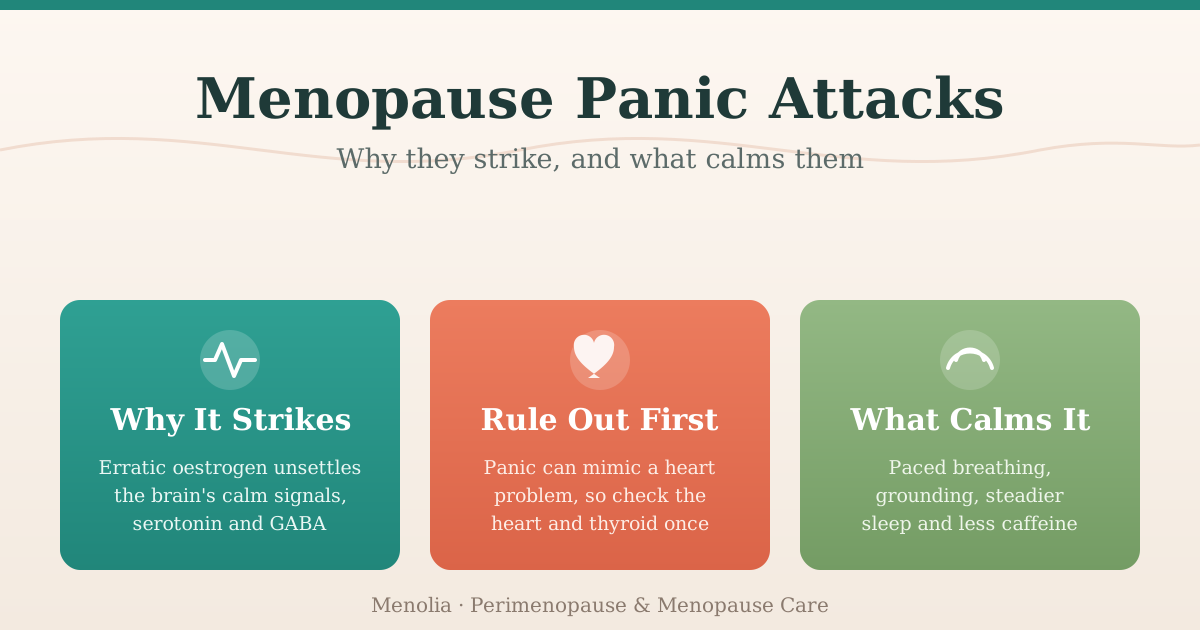
Oestrogen is not only a reproductive hormone. It acts throughout the brain as a modulator of the chemical messengers that govern mood and calm, particularly serotonin and gamma-aminobutyric acid, usually shortened to GABA. Serotonin supports emotional steadiness. GABA is the brain’s main calming, inhibitory signal, the one that dampens an overactive fear response. Oestrogen helps keep both systems running smoothly.
During perimenopause, oestrogen does not decline in a gentle straight line. It swings erratically, sometimes surging high and then crashing over hours or days. Each swing unsettles the serotonin and GABA balance the brain relies on to stay calm. When the calming brake weakens and the alarm system becomes more reactive, the threshold for a panic response drops. A situation that would have passed unnoticed a few years ago can now set off the full fight-or-flight cascade.
Progesterone matters here too. Progesterone is broken down into a calming compound called allopregnanolone, which acts on the same GABA system. As progesterone becomes erratic and then falls through the transition, some of that natural steadying effect is lost. This is part of why the years of hormonal fluctuation, rather than the settled low-oestrogen years afterwards, are when anxiety and panic tend to peak. Research following women through the transition found that the risk of significant anxiety rose during perimenopause compared with the years before it (Bromberger et al., 2013).
For more on this, read our guide on Low Oestrogen Symptoms. None of this means anything is wrong with you as a person. It means a hormone that helped regulate your nervous system for decades is now fluctuating, and your brain is reacting to the instability. This is a physiological pathway, not a character flaw.
The Hot Flash and Panic Connection
One of the most useful things to understand is how closely a hot flash and a panic attack overlap.
Both involve the same sudden burst of sympathetic nervous system activity, the body’s accelerator. A hot flash begins when the brain misreads body temperature and fires an emergency heat-dissipation response, releasing a surge of adrenaline along with the flush, the sweating, and a jump in heart rate. A panic attack begins with a very similar adrenaline surge. Researchers who compared the two side by side found that they share a remarkable amount of their physical symptomatology and underlying neurobiology (Hanisch et al., 2008). Sweating, palpitations, breathlessness, and a spike of anxiety appear in both.
This overlap explains a pattern many women notice. A hot flash starts, the heart rate climbs, and the mind, feeling the racing heart, interprets it as danger. That interpretation adds fear, the fear adds more adrenaline, and what began as an ordinary flash spirals into a full panic attack. The flash was the spark. The fear was the fuel.
Recognising this loop is quietly powerful. When you know that a racing heart during a flash is expected and harmless, you are far less likely to add the layer of fear that turns it into panic. Managing hot flashes well, therefore, often reduces panic attacks as a parallel benefit.
Ruling Out Your Heart and Thyroid First
Because a panic attack so faithfully mimics a heart problem, the first sensible step, especially the first time it happens, is to have the physical causes checked once. This is not being over-cautious. It is the fastest route to genuine peace of mind.
A few things deserve prompt medical attention rather than being assumed to be panic:
- Chest pain that spreads to the arm, jaw, or back, or comes on with exertion and eases with rest
- Breathlessness that is out of proportion to what you are doing, or that persists rather than passing in minutes
- Fainting or near-fainting
- A very fast heartbeat that continues steadily rather than settling within a few minutes
If any of these are present, please see a doctor promptly to have your heart looked at. The menopause red flags guide sets out the warning signs that always deserve review.
For most women, though, the workup is straightforward and the results are reassuring. Your doctor may arrange an ECG, sometimes a 24-hour heart-rhythm recording, and blood tests including thyroid function, because an overactive thyroid can produce a racing heart and a wound-up feeling that closely resembles panic. A full blood count can pick up anaemia, which is common with heavy perimenopausal bleeding and also makes the heart work harder. The post on heart palpitations in menopause covers this cardiac side in more depth.
Once these have been checked and come back clear, you can hold on to that certainty. The next time panic strikes, you will know, with evidence behind you, that your heart is sound and what you are feeling is a hormonal and nervous-system event that will pass.
What to Do in the Middle of a Panic Attack
When panic hits, your body is flooded with adrenaline and your breathing has usually become fast and shallow, which itself worsens the tingling and dizziness. The most effective thing you can do is deliberately slow your breathing, because slow breathing switches on the parasympathetic nervous system, the body’s brake.
Paced breathing. Breathe in gently through your nose for a count of four, then breathe out slowly through your mouth for a count of six to eight. The long, slow out-breath is the part that signals safety to your nervous system. Keep going for a couple of minutes. Slow, paced breathing is not folk wisdom; controlled studies have shown it measurably reduces the body’s stress response, and paced respiration alone lowered hot flash frequency by around half in menopausal women (Freedman et al., 2005).
Grounding with your senses. As the fear rises, gently name five things you can see, four you can hear, three you can touch, two you can smell, and one you can taste. This anchors your mind in the present and interrupts the spiral of frightening thoughts.
Remind yourself what it is. Panic attacks feel dangerous but are not. Nothing bad is going to happen to your body in the next few minutes. The wave always peaks and then falls. Saying this to yourself, even quietly, takes the fuel away from the fear.
Cool down if a hot flash is part of it. Sip cold water, move to a cooler spot, loosen a layer of clothing. Easing the physical heat can settle the whole episode.
None of these will feel easy the first few times. With practice they become a reliable set of tools, and the sense of having something to do, rather than simply waiting in terror, changes the experience considerably.
If the Fear Is Starting to Shrink Your World
There is a stage where panic stops being an occasional event and starts changing how you live. You begin avoiding the places where it happened. You lie awake dreading the next one. A quiet anxiety hums under everything you do. If you have reached that point, please do not carry it alone.
A conversation with a doctor who understands the perimenopausal transition can make an enormous difference. Panic attacks respond very well to treatment, whether that is structured breathing and lifestyle support, a talking therapy such as cognitive behavioural therapy, or, for some women, medication for a period of time. You do not need to wait until it is unbearable to ask for help.
If you would like to speak with Dr. Suganya Venkat directly, you can reach her on WhatsApp: wa.me/919940270499. She sees women across India for perimenopause and menopause, and many conversations begin exactly here, with a symptom that felt too frightening or too strange to raise with anyone else.
What Helps Over the Longer Term
Alongside anything your doctor recommends, several everyday changes reduce how often panic strikes.
Protect your sleep. Broken sleep raises cortisol, the stress hormone, which keeps the nervous system on a hair trigger. A consistent bedtime, a cool dark room, and managing night sweats all help. The guide to cortisol and stress after 45 explains why this matters so much during the transition.
Ease off caffeine. Filter coffee and strong chai stimulate the same sympathetic system that drives panic, and a perimenopausal nervous system is already sensitised. You do not have to give up your morning cup entirely, but notice whether your episodes cluster in the hours after caffeine. Reducing gradually over a week or two is gentler than stopping suddenly. Warm jeera water or haldi milk make comforting replacements.
Be careful with alcohol. Alcohol disrupts sleep and can trigger both hot flashes and panic in the hours afterwards, often at night.
Eat for a steadier nervous system. Magnesium supports calm nerve and muscle function, and Indian food offers it generously: ragi, bajra, til, rajma, almonds, and dark leafy greens. Steady meals that keep blood sugar even, rather than long gaps followed by sugary snacks, also help prevent the shaky, adrenaline-prone state that invites panic.
Move your body regularly. Consistent, moderate exercise improves the balance of the nervous system over time and is one of the most effective long-term buffers against anxiety. Walking, swimming, cycling, and yoga are all good. Gentle yoga and breath-based practices in particular have good evidence for lowering the body’s stress markers (Pascoe et al., 2017).
Address the anxiety itself. Because panic feeds on the fear of panic, learning to interrupt that loop through breathing, grounding, or therapy reduces frequency on its own. The guide to mood, anxiety and low mood in menopause covers this in more detail, and the post on non-hormonal treatment options explains where medicines such as SSRIs can fit in when symptoms are more troubling.
Work with your gynaecologist on the whole picture. Because erratic hormones sit underneath all of it, managing the transition well, including hot flashes and sleep, often calms panic alongside everything else. For some women, hormone therapy is part of that conversation. Whether it suits you is a decision that takes your full history into account, and it is worth discussing rather than deciding alone.
Frequently Asked Questions
Can menopause really cause panic attacks?
Yes. Oestrogen helps regulate the brain’s serotonin and GABA systems, which keep the fear response in check. The erratic hormonal swings of perimenopause unsettle that balance and lower the threshold for a panic response, so some women have their first ever panic attack during the transition. Anxiety and panic are well documented in this stage, and research has found the risk of significant anxiety rises during perimenopause. It is a real, biological pattern, not a sign of weakness.
How do I know if it is a panic attack or a heart attack?
The safest approach, especially the first time, is to have your heart checked once so you have certainty. In general, a panic attack peaks within a few minutes and then eases, and is often accompanied by tingling, a sense of dread, and a feeling of unreality. Warning signs that need prompt medical attention include chest pain spreading to the arm or jaw, pain that comes on with exertion, breathlessness that does not pass, fainting, or a very fast heartbeat that continues steadily. If in doubt, get checked.
Why do my panic attacks happen with hot flashes?
Because they share the same mechanism. A hot flash releases a surge of adrenaline along with the heat and the racing heart. If the mind reads that racing heart as danger, fear is added, which releases more adrenaline, and the flash can spiral into a full panic attack. Managing hot flashes well often reduces panic as a result.
Will panic attacks stop once I am fully through menopause?
For many women they ease considerably. The erratic hormonal fluctuations that drive them settle once oestrogen reaches its steady post-menopausal level and stops swinging. In the meantime, the tools in this post, and support from a doctor where needed, make a real difference to how often they happen and how much they affect your life.
Are panic attacks dangerous?
The attack itself is not physically harmful, even though it feels alarming. Your body is not in danger during the episode, and it always passes. What matters is having any cardiac cause ruled out once so you can trust that, and then having a plan for calming an attack when it comes.
What is the fastest way to calm a panic attack in the moment?
Slow your breathing. Breathe in for a count of four and out slowly for a count of six to eight, focusing on making the out-breath long. This activates the body’s natural brake. Pair it with a grounding technique, such as naming five things you can see, and remind yourself that the wave will peak and pass.
Should I take medication for menopause panic attacks?
Not necessarily, and it is a decision to make with a doctor. Many women manage well with breathing techniques, lifestyle changes, and support for sleep and anxiety. When panic is frequent or significantly affecting daily life, a talking therapy such as cognitive behavioural therapy, or medication for a period of time, can help a great deal. There is no single right answer, only the one that fits your situation.
Panic attacks during perimenopause are common, biologically understood, and, in the vast majority of cases, not a sign of anything dangerous. What makes them so frightening is the combination of a powerful physical experience and a complete lack of warning that it might happen. Once you understand what is driving it, have your heart checked once for certainty, and carry a few reliable tools for calming an attack, the fear tends to loosen its grip.
Most women who face this come through it, and come through it steadier than they expected. If you would like to talk it through with Dr. Suganya Venkat and get a clear picture of what your body is doing, reach out on WhatsApp: wa.me/919940270499. A single conversation is often the first step from fear back towards feeling like yourself again.